What a House or Senate Shift Means for 2027 and 2028
Control of either chamber could trigger investigations, alter Jeffries' agenda, and reshape the 2028 field.
By Jason Wood ·
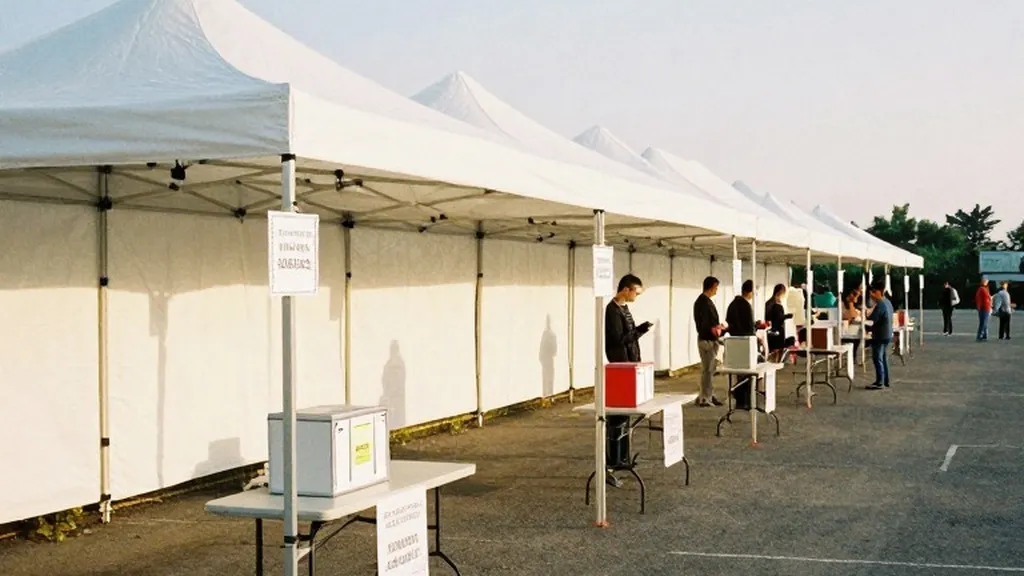
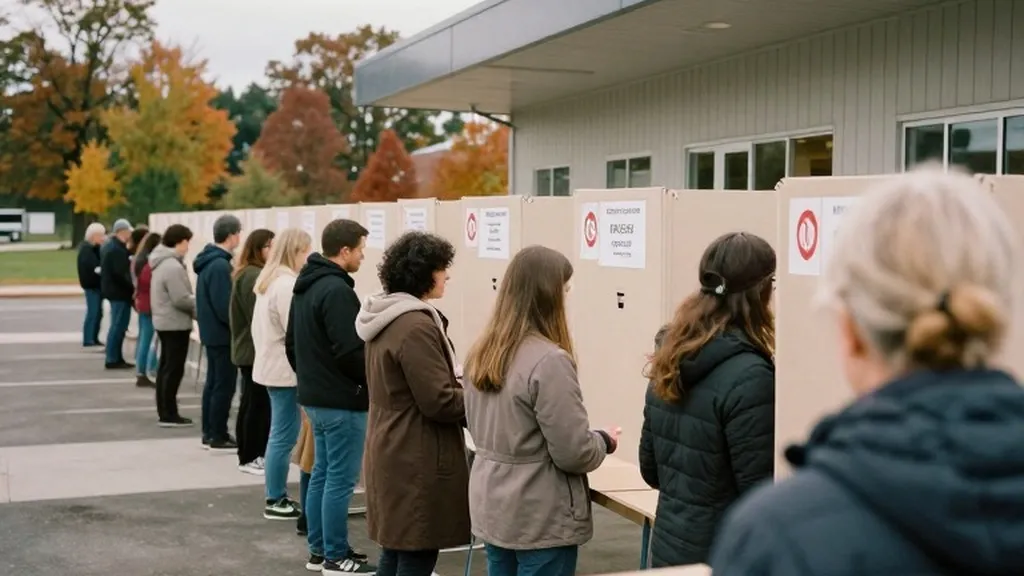
Voters across the nation are casting ballots to decide which party will control the U.S. House and Senate for the final two years of President Donald Trump's second term. All 435 House seats and 35 Senate seats are on the ballot, setting the stage for a potential shift in legislative power. The outcome will determine the balance of power in Congress, influencing everything from budget priorities to oversight efforts. According to Ballotpedia, Democrats need a net gain of three House districts and four Senate seats to claim majorities in both chambers. Republicans can afford to lose only two Senate seats and two House seats to retain control of both bodies. The margin for error is slim, with one or two seats potentially tipping the balance in either chamber.
If Democrats win the House, House Democratic Leader Hakeem Jeffries is poised to become the first Black speaker of the House. Jeffries has outlined a 100-day agenda focused on the cost of living and increased oversight of the executive branch. This agenda would likely include hearings and investigations into administration actions, a move that could intensify partisan tensions. The Associated Press notes that Democrats are cautiously optimistic about their chances, while Republicans are bracing for potential losses in the House. The control of the House will also affect the confirmation of judicial nominees, as a Democratic majority could scrutinize candidates more closely. A Democratic House would likely prioritize legislation addressing economic concerns, a key issue for voters this cycle.
Senate control will determine the pace and scope of investigations into the executive branch. A Democratic Senate could launch committees to examine administration policies, including trade and economic strategies. The Associated Press reports that the election is viewed as a referendum on Trump's second term, with many voters citing high prices and an unpopular war with Iran as primary concerns. A Republican Senate would likely support the president's agenda, potentially blocking legislative initiatives from a Democratic House. The balance of power in the Senate will also influence the appointment of federal judges and other high-level positions. Winners of the 35 Senate races will begin six-year terms on January 3, 2027, ensuring that the current election results will shape policy for years to come.
The 2028 presidential race is already taking shape in the shadows of this midterm election. A strong Democratic performance could boost the profiles of potential candidates such as Gavin Newsom, JB Pritzker, and Pete Buttigieg. The Associated Press notes that a Democratic night could complicate the path for Vice President JD Vance, who is seen as a leading Republican contender. Conversely, a Republican hold would solidify the party's unity around the incumbent administration. The results of key Senate races in states like Georgia, North Carolina, and Ohio will be closely watched for signals about each party's strength in 2028. These races could determine which party has the momentum to build a competitive ticket for the next presidential election.
Both parties are emphasizing turnout as the key to success. RNC Chairman Joe Gruters stated that everything depends on turnout, arguing that if Republicans turn out their voters, they will win. DCCC Chair Rep. Suzan DelBene countered that the American people are angry and want change. Voter sentiment is mixed, with the AP-NORC poll showing that 35% of U.S. adults approve of Trump's job performance. More than 57 million people had already voted as of Monday, surpassing early vote totals from four years ago in many states. This high level of early voting suggests strong engagement from both sides, with voters in battleground districts making decisive choices. The final tally will reveal which party can mobilize its base effectively in this critical midterm cycle.
Economic issues are at the forefront of voter concerns, with many blaming the president for high prices. Voter James Moore, a librarian in Raleigh, North Carolina, said he is paying more for taxes, healthcare, and everything else. In contrast, voter Mark Barker of Palm Beach Gardens, Florida, expressed support for the president's performance. The Associated Press notes that Republicans are fighting to hold the Senate while bracing for House losses. Democrats are focused on capitalizing on economic dissatisfaction to gain control of at least one chamber. The control of Congress will determine which party can push through economic legislation or block the other side's priorities. This dynamic will be crucial in shaping the national economic policy for the next two years.
The administration has continued to assert its influence on the election, with Trump holding dozens of rallies across the country. His final rally before Election Day was in Salina, Kansas, where he asked voters to pretend he was on the ballot. The AP reports that many Republican candidates kept their distance from the president's rallies, reflecting internal party dynamics. The administration has also sued in Alaska and California regarding voting procedures, a move that Democrats fear could lead to interference. A federal judge temporarily barred the administration from carrying out a plan to prevent noncitizen voting, a decision that critics say protects eligible voters. These legal battles add another layer of complexity to the election, with both parties watching closely for any signs of procedural challenges.
The control of Congress will also impact the confirmation of nominees and the oversight of federal agencies. A divided government could lead to gridlock, while a unified government might accelerate legislative action. The Associated Press notes that Republicans tried to beat the midterm pattern of losing seats by using redistricting, but new districts in Florida and elsewhere may not vote as drawn. This uncertainty adds to the stakes of the election, with voters in these new districts making pivotal choices. The results will determine which party has the leverage to negotiate policy compromises. A strong performance by either party could set the tone for the remainder of the current administration and the upcoming 2028 cycle.