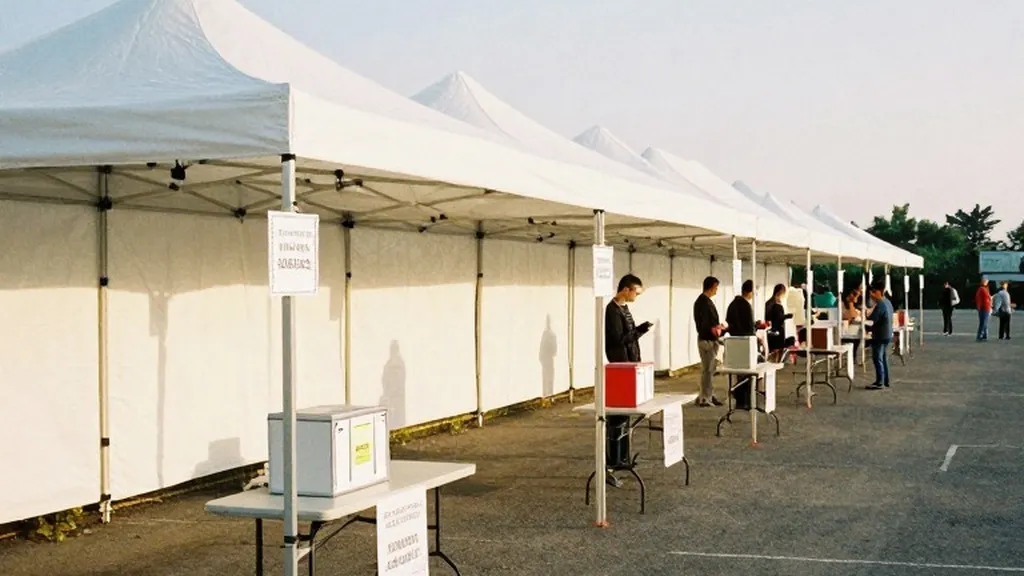
Midterm Pattern: How Both Parties Tried to Beat the Odds
Historical trends suggest a president's party loses seats, but strategic redistricting and record spending aim to defy the cycle today.
By Joao Menon ·
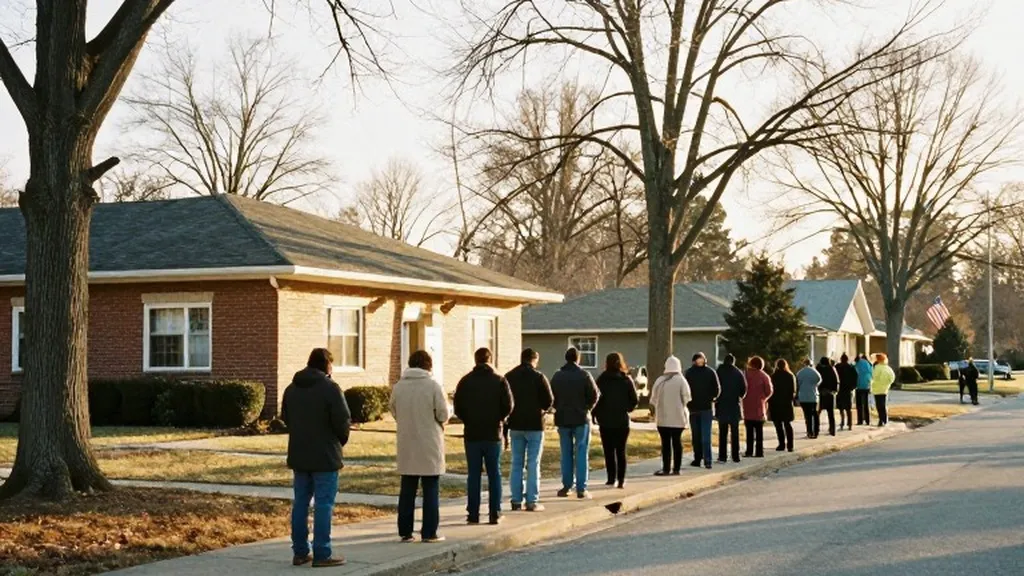
On this Tuesday, November 3, 2026, voters across the United States are deciding who will control Congress for the final two years of President Donald Trump's second term. The midterm election historically follows a predictable pattern where the party of the sitting president loses seats, a dynamic that has shaped American politics for decades. However, both political parties entered this cycle with specific strategies intended to overcome that historical headwind and secure a legislative advantage.
According to Ballotpedia, all 435 seats in the U.S. House of Representatives are up for grabs. Republicans currently hold 218 seats, while Democrats hold 214, with one independent seat and some vacancies. Democrats need a net gain of three districts to achieve a majority, whereas Republicans can afford to lose no more than two seats to keep control. Ballotpedia identifies 46 battleground districts, creating a tight race where every vote counts. The Associated Press notes that the election is being viewed as a referendum on the president's performance, with voters grappling with high prices and an unpopular war with Iran.
In the U.S. Senate, 35 of the 100 seats are on the ballot. Republicans hold 53 seats, while Democrats hold 45, plus two independents who caucus with Democrats. Democrats require a net gain of four seats to take control of the chamber, a higher bar than the House majority. Republicans can only lose two Senate seats to maintain their majority. Eleven senators, including four Democrats and seven Republicans, are not running for re-election, opening competitive races in key states. The AP-NORC polling indicates that 35% of U.S. adults approve of Trump's job performance, which adds pressure on Republican candidates to distance themselves or rally support from the base.
Redistricting played a significant role in the Republican strategy to beat the midterm pattern. Six states, including California, Florida, Missouri, North Carolina, Tennessee, and Texas, along with Ohio, are using new congressional maps following mid-decade redistricting. These new boundaries were designed to favor Republican candidates in many areas. However, the Associated Press reports that new districts in Florida and elsewhere may not vote as they were drawn, introducing uncertainty into the Republican calculations. Democrats, meanwhile, focused on turnout and economic messaging to counter the structural advantages of the new maps.
Spending on this election is likely to be the most expensive in history. Republican committees outraised and outspent Democratic committees at the committee level, helped by Trump-affiliated groups and Elon Musk. However, at the candidate level, Democrats outraised their opponents. The AP analysis of AdImpact data shows that 88.1% of Republican general election TV ad spending went to states and districts Trump won in 2024. This strategy aimed to protect deep red seats while Democrats targeted competitive districts where economic anxiety was highest.
RNC Chairman Joe Gruters emphasized the importance of voter participation in the Republican effort. He stated, "Everything depends on turnout. If we turn out our voters, we win, and that's what we've been planning for." In contrast, DCCC Chair Rep. Suzan DelBene focused on the public sentiment driving the Democratic campaign. She said, "The American people are angry. They want change." These quotes reflect the divergent strategies, with Republicans relying on base mobilization and Democrats relying on shifting the moderate and independent vote through economic concerns.
Voters on the ground expressed mixed feelings about the current administration. Mark Barker of Palm Beach Gardens, Florida, told the AP, "I've just been following Trump the whole time. I really think he's doing an awesome job." James Moore, a 57-year-old librarian in Raleigh, North Carolina, offered a different perspective. He said, "I'm paying more taxes. I'm paying more for my healthcare. I'm paying more for everything." These individual stories highlight the national divide over the cost of living, which remains a central issue in the 2026 elections.
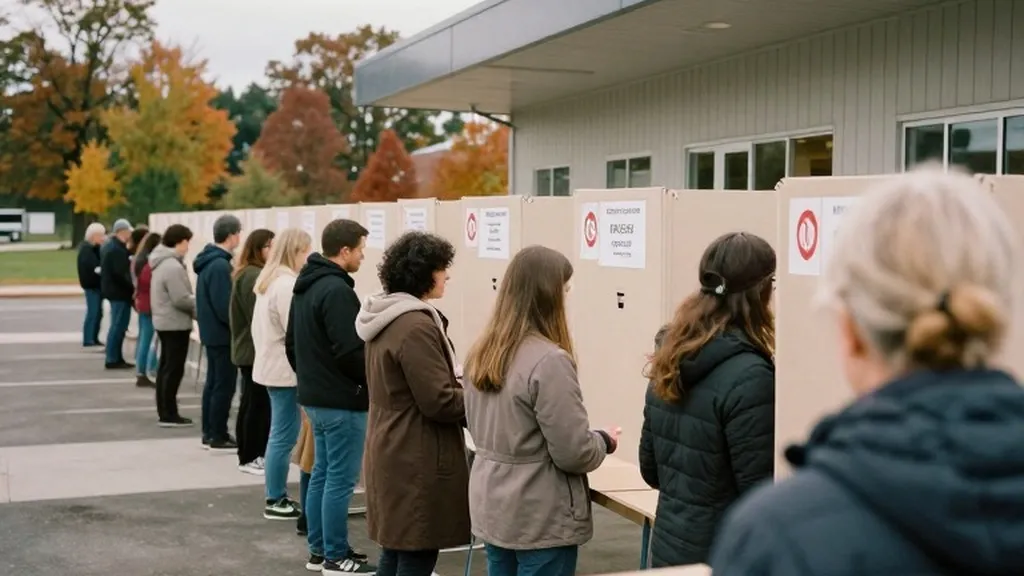
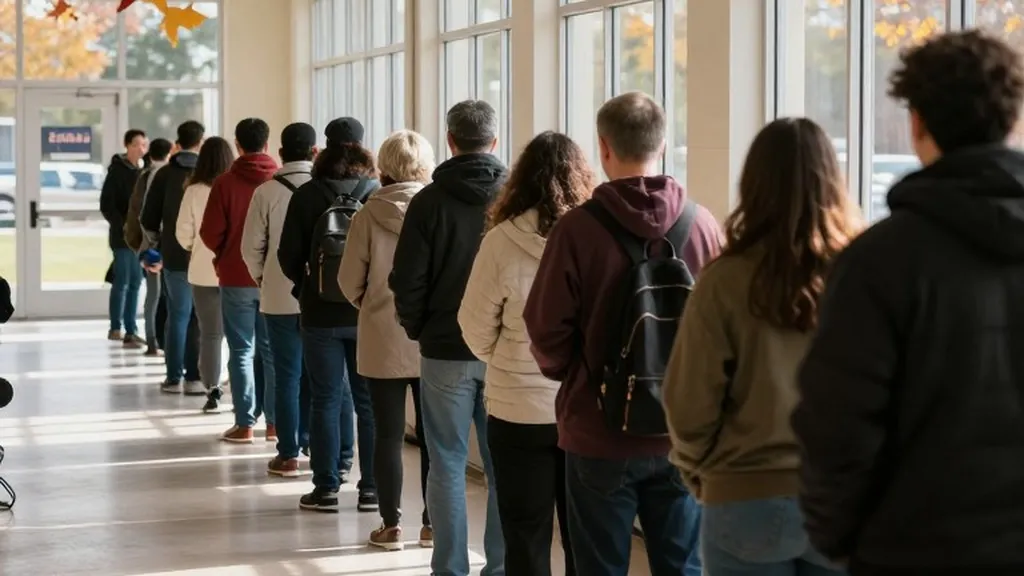
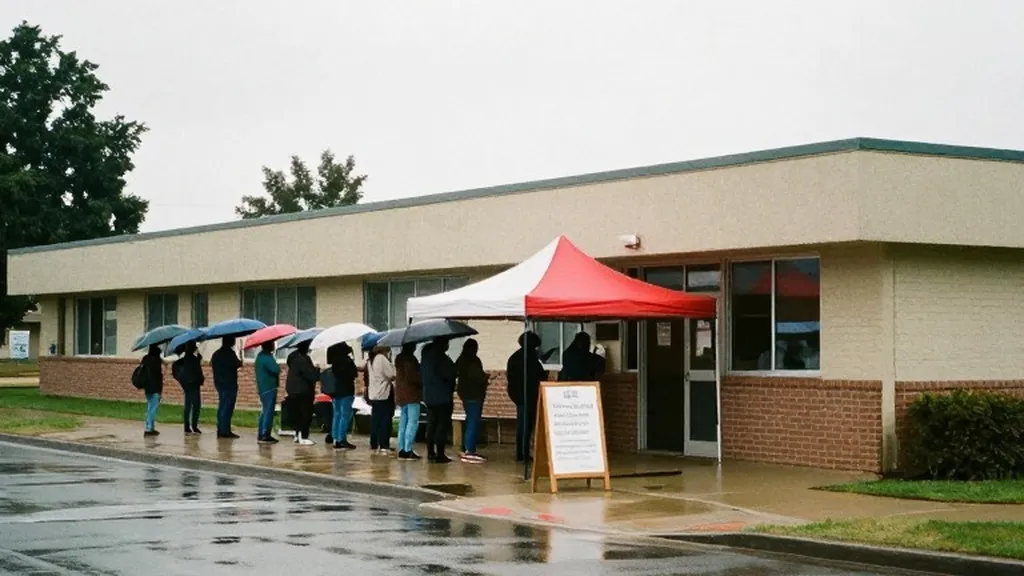
The Associated Press describes the mood as one where Republicans are bracing to lose the House while fighting to hold the Senate. One or two seats could tip either chamber, making the races exceptionally close. Democrats are described as cautiously optimistic, relying on the high volume of early voting. More than 57 million people had already voted as of Monday, surpassing the early vote totals of four years ago in many closely watched states. This high turnout suggests a deeply engaged electorate that is actively deciding the balance of power in Washington.
The stakes of the election extend beyond simple partisan control. If Democrats win even one chamber, investigations and possible impeachment proceedings become likely. House Democratic Leader Hakeem Jeffries would be the first Black speaker if his party takes the House, and he has outlined a 100-day agenda focused on the cost of living and oversight. A strong Democratic night would also boost potential 2028 candidates such as Gavin Newsom, JB Pritzker, and Pete Buttigieg. Conversely, a Republican hold on both chambers would solidify the president's agenda for the remainder of his term.
Election administration issues have also influenced the day's proceedings. A federal judge temporarily barred the Trump administration from carrying out a plan to prevent noncitizen voting, a move critics said risked disenfranchising eligible voters. Another judge ordered the administration to stop demanding that California election officials segregate ballots cast by people on lists of suspected noncitizens. The U.S. Postal Service added hours and staff to ensure mail ballots are counted on time. These administrative steps were crucial in ensuring that the process ran smoothly despite the high stakes and the historical pressure of the midterm cycle.
As polls close across the country, the outcome will determine the legislative landscape for the next two years. The combination of new redistricting maps, record spending, and high voter turnout has created a complex environment where historical patterns may or may not hold true. Voters in 46 battleground House districts and 13 competitive Senate races are casting ballots that will shape the future of American governance. The result will be a direct reflection of how the electorate responds to the president's second term and the economic conditions of 2026.