Practical Guide to Voting: Poll Hours, ID Rules, and Mail Ballot Deadlines
With polls open across the nation, voters are navigating varied state laws and logistical hurdles to cast their ballots.
By Jason Wood ·
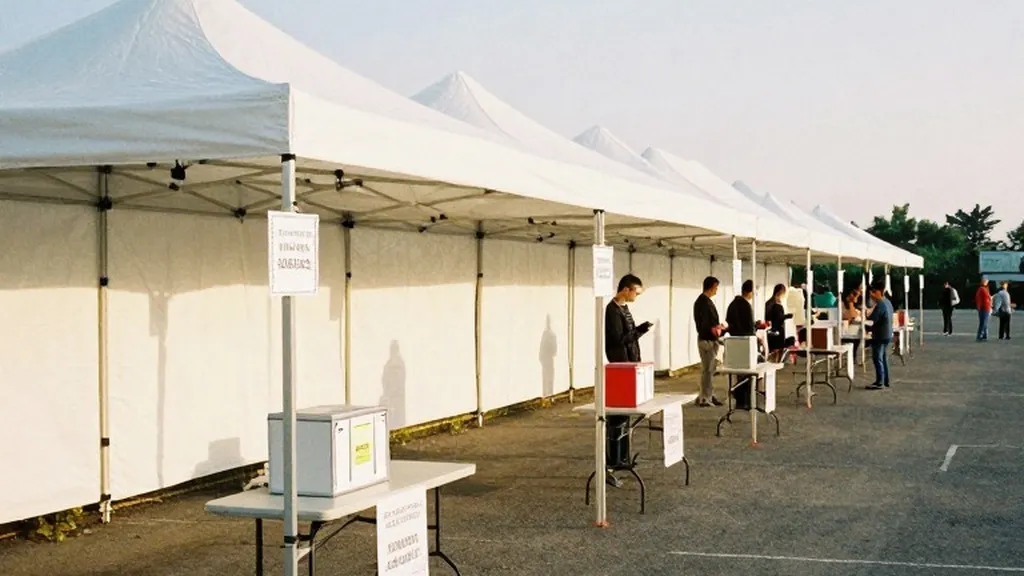
Voters across the United States are heading to polling places on Tuesday, November 3, 2026, to cast their ballots in the midterm election. The Associated Press notes that the day is shaping up as a referendum on the current administration, with many citizens expressing frustration over economic conditions. While the political stakes are high, the practical mechanics of voting remain a primary concern for many. Understanding where to go, what to bring, and how mail-in ballots are processed is essential for participation in this decisive day.
One of the most common questions voters face is regarding the hours of operation for their local polling places. According to Ballotpedia, these times vary significantly by state. For example, in New York, polls open at 6 a.m. and close at 9 p.m., providing a wide window for voters. In contrast, Indiana polls open and close at 6 a.m. and 6 p.m., respectively. California and Colorado, which rely heavily on mail-in voting, operate from 7 a.m. to 7 p.m. and 7 a.m. to 7 p.m. respectively. Voters are advised to check their specific state's schedule to ensure they arrive during the open hours.
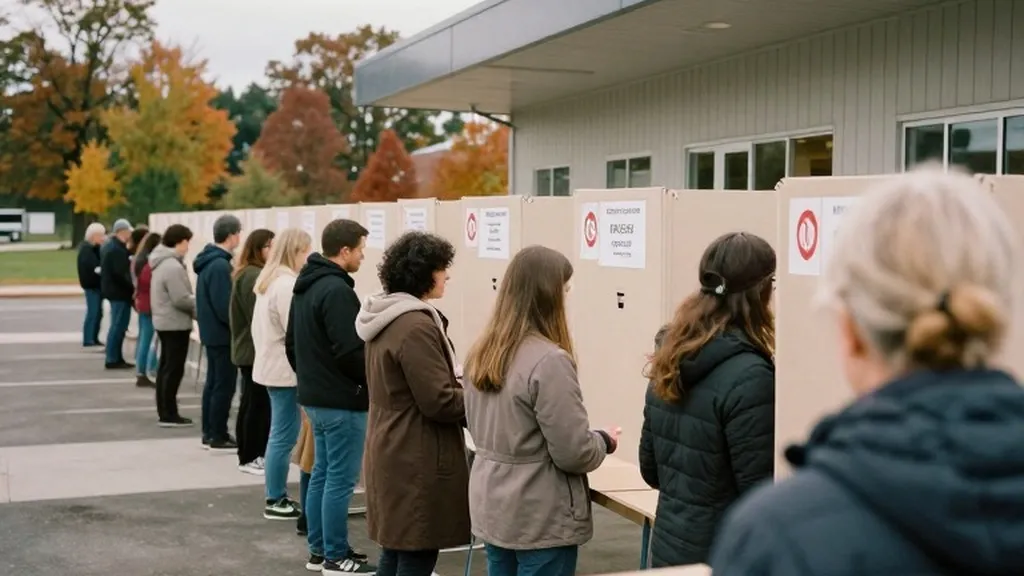
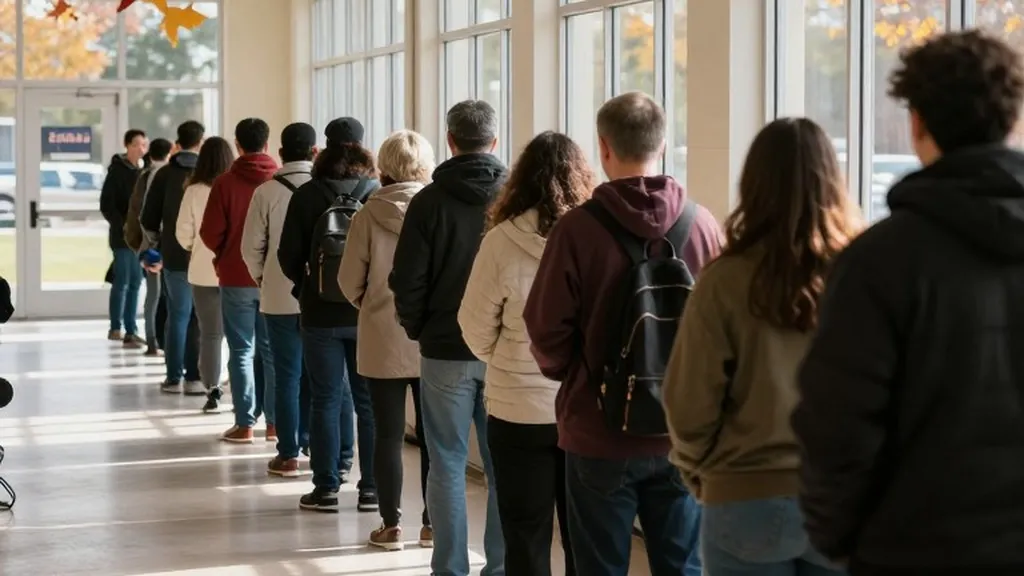
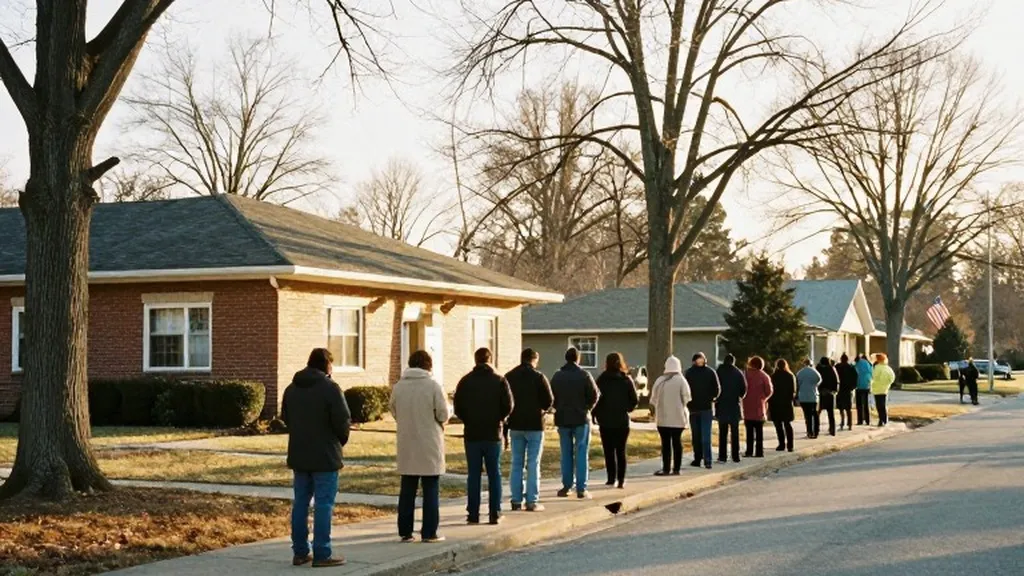
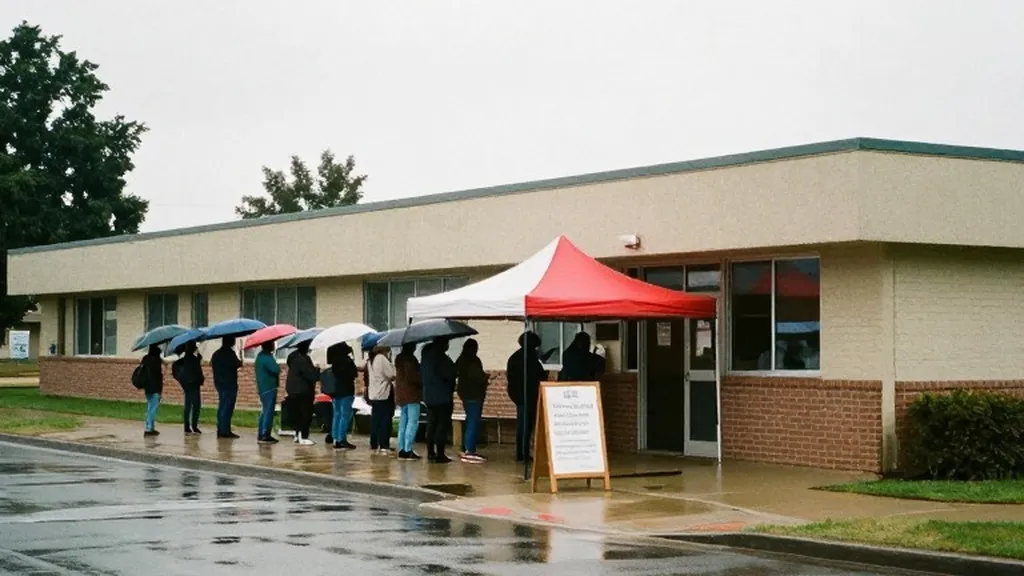
A critical rule for in-person voters is the right to remain in line. USA.gov states that anyone who is in line when polls close is entitled to cast a ballot. This provision is particularly important in states where long lines are common on Election Day. Voters should plan their time accordingly, arriving well before the posted closing time to avoid the risk of being turned away. This rule applies regardless of the length of the wait, ensuring that early arrivals have their voices counted.
Identification requirements also differ by state, and voters must know what to bring before they leave home. While some states require a photo ID, others accept various forms of non-photo identification or allow voters to sign an affidavit. Reuters reports that voters should check their state's specific rules to avoid complications at the polling place. Bringing a document that is not accepted can lead to provisional ballots, which may require additional verification after Election Day. Being prepared with the correct identification helps streamline the voting process.
Mail-in ballots present another set of logistical considerations. The U.S. Postal Service has added extra hours, staff, and special lines to ensure that mail ballots are counted on time. This effort is crucial in states where the majority of votes are cast by mail. Voters who have already mailed their ballots should track their delivery to ensure they arrive by the state's deadline. In states like Oregon, Utah, and Washington, mail voting is the primary method, and the postal service's expanded operations are vital to processing these votes efficiently.
The election also involves specific administrative challenges that voters should be aware of. A federal judge temporarily barred a federal plan aimed at preventing noncitizen voting, which critics argued could disenfranchise eligible voters. Additionally, a judge ordered the administration to stop demanding that California election officials segregate ballots cast by people on lists of suspected noncitizens. These legal moves have added a layer of complexity to the election administration, but the fundamental process for voters remains the same: find your polling place, bring the required ID, and cast your vote.
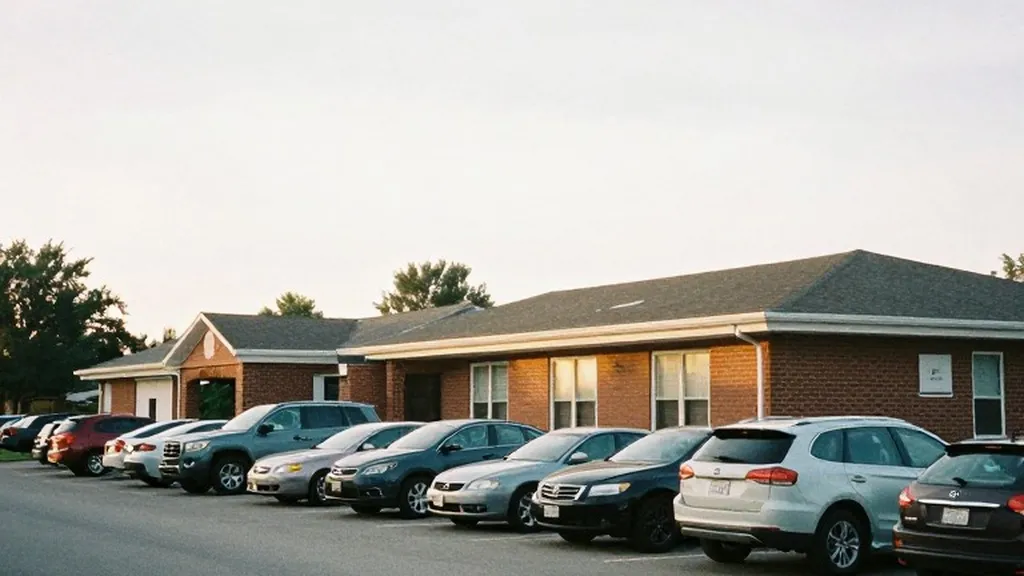
For those voting in person, the location of the polling place can be found at vote.gov or through the state election office. These resources provide up-to-date information on any changes to polling locations due to weather or other factors. Voters should confirm their specific location, as it may differ from their residential address. This step is particularly important for first-time voters or those who have recently moved, as it ensures they are at the correct site to cast their ballot.
The mood among voters is mixed, with many citing high prices and economic uncertainty as key factors in their decision. The Associated Press notes that about 7 in 10 adults say the country is heading in the wrong direction. This sentiment is driving high turnout, with more than 57 million people having already voted as of Monday. The early vote has surpassed the numbers from four years ago in many closely watched states, indicating a strong desire for participation and change.
As the day progresses, voters in various time zones will begin casting their ballots. In the East, polls open at 7 a.m. in states like Alabama and Florida, while in the West, polls in states like Nevada and Alaska open at 7 a.m. local time. The variation in opening and closing times means that the election will unfold over a significant period, with results likely to be tallied over several hours. Voters are encouraged to stay informed and patient as the process unfolds.
The practical aspects of voting, from ID rules to mail ballot deadlines, are designed to ensure that every eligible citizen can participate in this important civic duty. By understanding these requirements and planning ahead, voters can navigate the day smoothly and confidently. The election administration teams in each state are working to facilitate this process, and voters play a key role in ensuring that their voices are heard in this critical midterms.