Ten States Define the 2026 Governor Race
Voters in Georgia, Nevada, and eight other states choose their chief executives today in a contest that could shift the national balance of power.
By Mei Melnyk ·
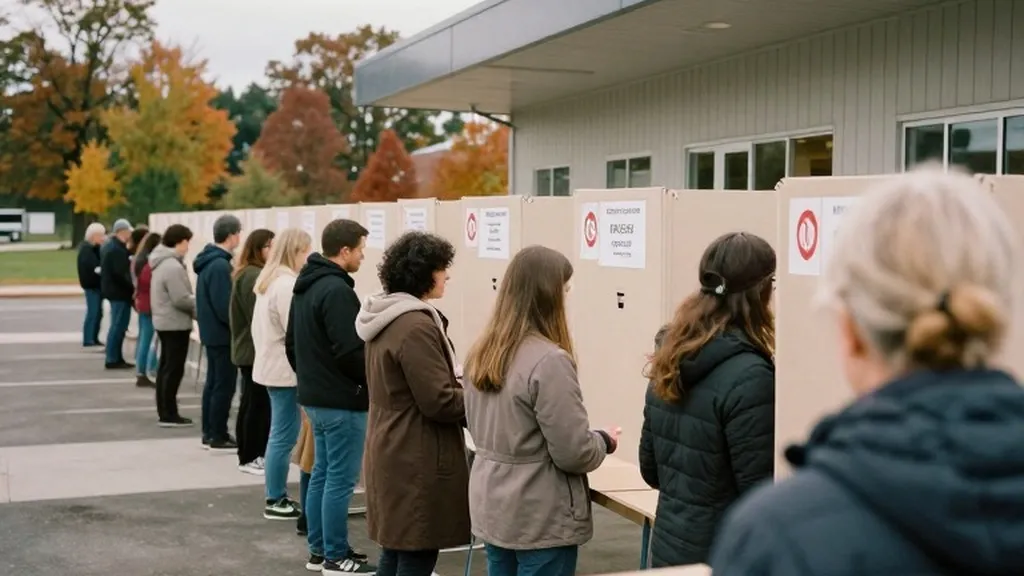
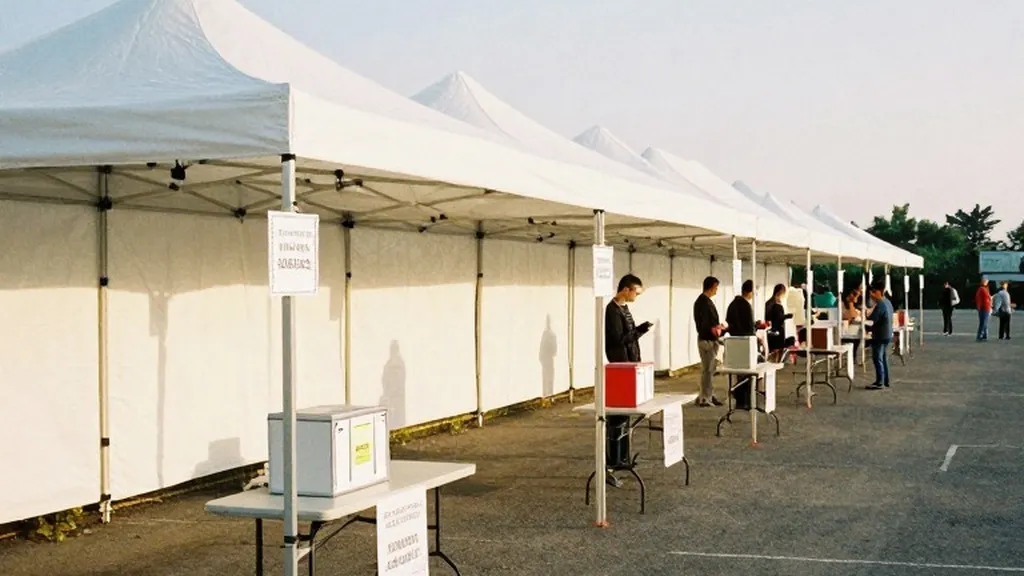
Voters across the United States are heading to the polls on Election Day to decide the fate of thirty-six governorships and the balance of power in Congress. The Associated Press describes this midterm election as a referendum on President Donald Trump's second term, with citizens grappling with high prices and an unpopular war with Iran. More than fifty-seven million people had already cast their ballots as of Monday, surpassing early voting numbers from four years ago in many closely watched states. The outcome will determine who controls the legislative agenda for the president's final two years in office.
The governor's mansion is a central focus in ten specific states where the outcome could alter the national partisan map. Republicans currently hold twenty-six governor's offices, while Democrats hold twenty-four. Democrats need a net gain of two governorships to achieve a nationwide majority, a position Republicans have held since 2010. This race is particularly intense because nineteen of the thirty-six governorships are open, with fifteen governors being term-limited and others choosing not to run.
In Georgia, voters are deciding between Republican health care executive Rick Jackson and Democratic former Atlanta Mayor Keisha Lance Bottoms. They will succeed Brian Kemp in the governor's office. The Associated Press notes that this race is part of a broader push to secure the South. In Nevada, Republican Governor Joe Lombardo faces Democratic Attorney General Aaron Ford in a contest that draws significant attention due to the state's recent political shifts.
Ohio presents a distinct challenge for both parties as Republican Vivek Ramaswamy campaigns against Democrat Amy Acton. The Associated Press reports that Ramaswamy's campaign faced backlash over an advertisement featuring Acton's estranged mother, adding a layer of personal drama to the political contest. In Arizona, Democratic Governor Katie Hobbs is defending her seat in a state that President Trump won in 2024, making it a crucial battleground for maintaining Democratic presence in the Sun Belt.
Michigan also features a high-stakes contest where Democrats are defending their governorship. The state is one of five where Democrats hold the office in a state Trump won in the previous presidential cycle. In Wisconsin, the race is being watched closely as part of the broader Midwest dynamic. These states, along with Pennsylvania, represent the core of the Democratic defensive strategy in the governor's race.
Republicans are defending two governorships in states where Kamala Harris won in 2024, creating a complex landscape for the party. In New Hampshire, Republican Governor Kelly Ayotte is seeking to retain her office. In Vermont, Republican Governor Phil Scott is also on the ballot. These races are critical because they test the strength of the Republican base in traditionally competitive or blue-leaning northeastern states.
The Associated Press notes that the mood among voters is shaped by economic anxiety. Polling from the Associated Press and NORC indicates that thirty-five percent of U.S. adults approve of Trump's job performance, while only twenty-five percent approve of his handling of the economy. About seven in ten adults say the country is heading in the wrong direction. Voter James Moore, a librarian in Raleigh, North Carolina, stated that he is paying more taxes and more for his healthcare, reflecting the sentiment of cost of living concerns.
Republican National Committee Chairman Joe Gruters emphasized that everything depends on turnout, asserting that if they turn out their voters, they win. Conversely, Democratic Congressional Campaign Committee Chair Representative Suzan DelBene said the American people are angry and want change. These statements highlight the distinct strategies of both parties as they mobilize their bases in the ten key governor's races.
The election is also influenced by the most expensive campaign spending in history. Republican committees outraised and outspent Democratic committees, aided by Trump-affiliated groups and Elon Musk. However, at the candidate level, Democrats outraised their opponents. Analysis of AdImpact data by the Associated Press shows that eighty-eight point one percent of Republican general election TV ad spending went to states and districts Trump won in 2024, indicating a focus on consolidating gains in red states.
As polls close in states like Georgia, where voting runs from seven a.m. to seven p.m., and in Pennsylvania, where polls close at eight p.m., the final tally will reveal if Democrats can achieve their goal of a governor's majority. The results in these ten states will not only determine local leadership but also influence the broader narrative of the 2026 midterms, providing a clear picture of public sentiment on the national direction.