Record spending defines 2026 midterms as parties diverge on ad buys
The Associated Press reports that while Republican committees outspent Democrats at the top, Democrats held the advantage at the candidate level.
By Mei Melnyk ·
The 2026 midterm elections are shaping up to be the most expensive in American history, with billions of dollars flowing into campaigns that will determine the balance of power in Congress. As polls open across the nation, the financial architecture of this election reveals distinct strategies for the two major parties. The Associated Press notes that the total spending is likely to surpass all previous records, reflecting the high stakes of the race for control of the House and Senate during the final two years of President Donald Trump's second term.
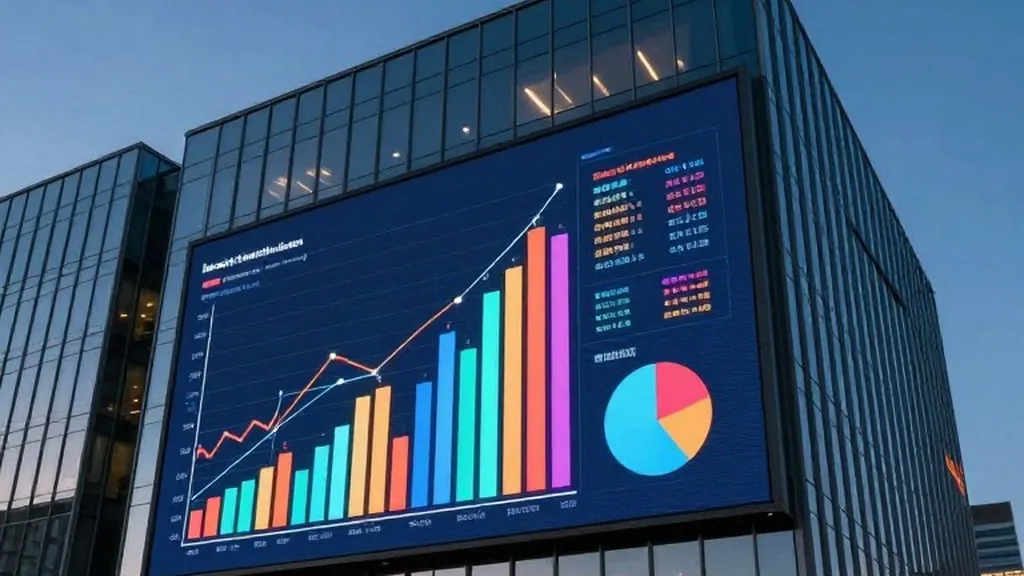
A significant divergence has emerged in how money is deployed between the two parties. Republican committees have outraised and outspent their Democratic counterparts at the committee level. This advantage was bolstered by contributions from Trump-affiliated groups and Elon Musk, who has been a prominent financier in the cycle. The Associated Press analysis of AdImpact data shows that 88.1 percent of Republican general election television ad spending went to states and districts that Trump won in 2024. This concentration of resources reflects a strategy to solidify support in areas where the president already has a strong electoral base.
Within that spending pattern, Republicans poured more than 850 million dollars into districts where Trump won by 10 points or more. This heavy investment suggests a focus on defending Republican-held seats in solidly red areas. The goal appears to be ensuring that Republican incumbents can withstand potential backlash from the president's unpopular policies, including the war with Iran and high consumer prices. By flooding these safe districts with advertisements, the party aims to lock in high turnout among its most reliable voters, a tactic that RNC Chairman Joe Gruters described as essential for victory.
In contrast, Democrats have managed to outraise their opponents at the candidate level. While their committees spent less overall, the money raised by individual candidates gave Democrats a financial edge in direct head-to-head races. This dynamic allows Democratic candidates to compete effectively in battleground districts where the outcome is uncertain. The DCCC Chair, Rep. Suzan DelBene, stated that the American people are angry and want change, a sentiment that aligns with the party's focus on competitive seats rather than safe ones. This candidate-level advantage provides Democrats with the resources to challenge Republican incumbents in key districts.
The allocation of funds highlights the different paths each party must take to win a majority. Republicans can afford to lose no more than two House seats to maintain control, so their spending is heavily weighted toward protecting their base. Democrats, however, need a net gain of three districts to take the majority, requiring them to win a mix of seats they currently hold and seats they currently lose. The financial data suggests that Democrats are using their candidate-level funds to target these swing districts, where the 2024 presidential margins were closer. This approach allows them to maximize their chances of flipping seats in states like Pennsylvania and Michigan.
The role of Elon Musk in the Republican fundraising effort has been a notable feature of this cycle. His contributions helped drive the committee-level spending advantage, providing the party with a war chest that far exceeded that of the Democrats at the top. This influx of capital allowed Republican groups to purchase a larger share of the television inventory in key markets. The Associated Press reports that this spending was not limited to the committee level but also influenced the overall media landscape, with Republican ads dominating airwaves in states that Trump won by wide margins in the previous election.
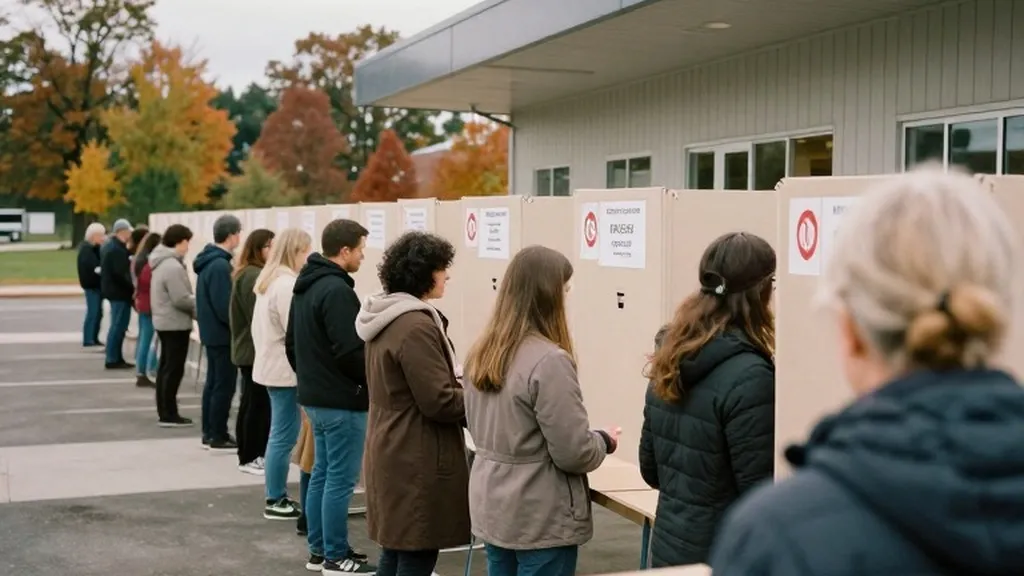
Voters are feeling the impact of this spending as they head to the polls. In Palm Beach Gardens, Florida, voter Mark Barker said he has been following Trump the whole time and thinks he is doing an awesome job. In Raleigh, North Carolina, James Moore, a 57-year-old librarian, expressed frustration over rising costs, noting that he is paying more for taxes, healthcare, and everything else. These personal anecdotes reflect the broader issues that are driving the spending, with campaigns focusing on the cost of living and the direction of the country. The Associated Press found that about 7 in 10 Americans say the country is heading in the wrong direction, a sentiment that both parties are trying to address with their advertising strategies.
The financial disparity between committee and candidate spending has created a complex media environment. Republican committees have been able to run ads in districts where no Republican candidate is running, effectively priming the electorate for the party. Meanwhile, Democratic candidates have had to rely on their own fundraising efforts to run ads in their specific districts. This separation of funds means that the overall spending numbers do not always reflect the local competitive landscape. In battleground districts, the race for the last few percentage points may come down to the effectiveness of candidate-specific ads rather than the sheer volume of committee spending.
The Associated Press notes that the 2026 elections are a referendum on Trump's second term, with voters struggling with high prices and angry over the war with Iran. The spending patterns reflect this reality, with Republicans focusing on defending their base from the president's potential unpopularity and Democrats focusing on attacking the president's record. The 88.1 percent figure for Republican spending in Trump-won districts underscores the party's confidence in its base, while the Democratic candidate-level edge suggests a belief that they can win new seats through targeted local campaigns. As the votes are tallied, the effectiveness of these financial strategies will become clear.