Parties split on infrastructure funding
New Zealand political groups agree on the need for major construction but disagree on funding models, planning laws, and project priorities.
By Mei Melnyk ·
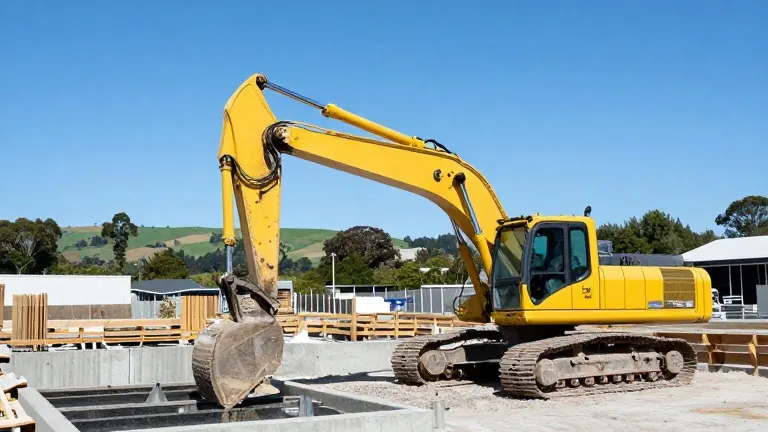
Political parties in New Zealand agree that the government must build more infrastructure over the next few decades.
However, deep divisions remain regarding who pays for these projects, where they should be located, and how construction permits are granted.
The Infrastructure Commission released its National Infrastructure Plan in February. This independent body criticized previous administrations for a fragmented and inconsistent building process.
The commission proposed a 30-year plan based on need. It also called for a dedicated development corporation to oversee funding and project delivery.
Infrastructure Minister Chris Bishop endorsed the commission's view. He described the document as New Zealand's plan rather than a specific government strategy.
Kieran McAnulty of Labour and Julie Anne Genter of the Green Party wrote forewords to the government response. Both leaders supported the spirit of the commission's recommendations.
Disagreements center on how to balance development between urban and rural areas. Population density favors funding for Auckland, but other regions have urgent needs.
Residents in Oamaru require coastal defences against erosion. People in Invercargill face crumbling roads, and the South Island needs upgraded regional mental health services.
The Central Lakes District requires expensive infrastructure upgrades to manage its growing population. Funding based strictly on per capita needs would consume most of the budget for Otago and Southland.
Planning laws remain a major point of contention. National and Act New Zealand support the recent overhaul of the resource consent system. National is campaigning on finishing the current planning reforms.
Act wants to make mineral and energy development easier and speed up consenting. NZ First proposes a 100 billion dollar New Zealand Future Fund to drive economic growth.
Labour and the Greens are unhappy with the current Resource Management Act reforms. Both parties claim the changes do not adequately protect the environment. They plan to prioritize a new rewrite of the law through an amendment bill that revives previously rejected provisions for fairer treatment of environmental concerns. Labour also proposes two separate funds for infrastructure and high-tech development, while the Greens support the commission's recommendations with a zero carbon condition for electricity generation. The Greens are strongly opposed to mining, unlike most other parties. All parties recognize the need for AI data centres but worry about the high electricity and water usage. In Queenstown and Wānaka, consent processes are struggling to keep up with the need for sewerage and roads. Te Pāti Māori focuses on making Māori-owned land more productive and weighting iwi views in development decisions. The Opportunity party backs a cross-party approach and wants to make the commission's plan law while prioritizing maintenance of existing assets.
Source: The Star