Economy data says good, but voters feel bad
A Johns Hopkins economist explains why the gap between high earners and everyone else is driving midterm sentiment despite strong aggregate numbers.
By Mei Melnyk ·
Americans are heading to the polls for the midterm elections with mixed feelings about their finances. While aggregate economic data shows a strong overall economy, many voters feel the opposite. This disconnect is shaping the current political mood.
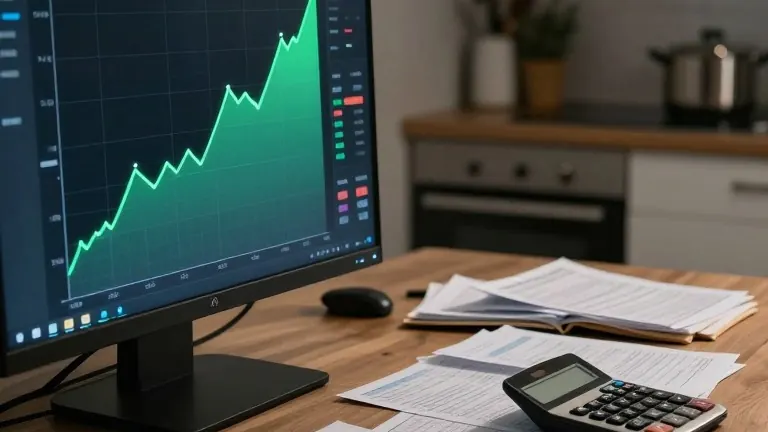
Alessandro Rebucci, an economics professor at Johns Hopkins Carey Business School, attributed this gap to a "k-shaped" economy. He described this term as a graph illustrating the divergence between high-income earners and asset owners versus middle and lower-income households. The split is becoming a central theme in how people view their economic standing.
Rebucci noted that the wealthiest households spend more than lower-income groups. This spending difference exists not just in total amounts but as a percentage of income and accumulated wealth. This structural gap influences how a large segment of the population perceives their financial security.
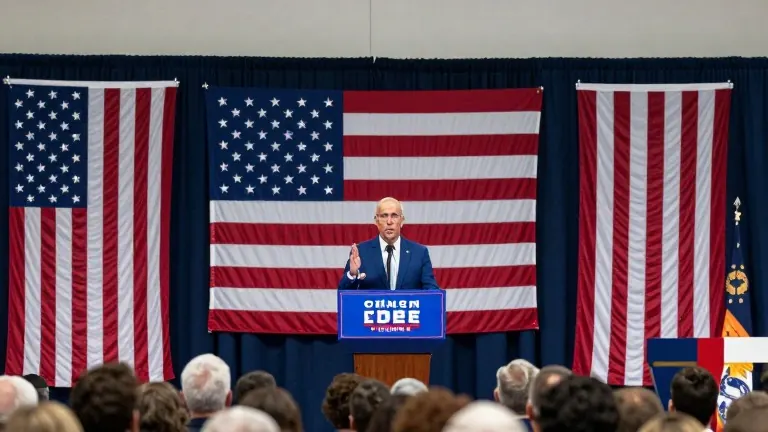
The sentiment on the campaign trail often contradicts survey results. President Donald Trump has frequently claimed the nation is enjoying its best economy ever. At a rally in Las Vegas on Aug. 5, he stated, "The economy is the greatest economy we've ever had, by far." However, recent consumer surveys suggest voters are less optimistic about their personal economic situations.
This pattern of the governing party touting economic strength while voters express doubt is a recurring feature of election cycles. Rebucci pointed out that this specific type of inequality is not new to the American experience. He argued that the system is accustomed to these disparities.
The focus, according to Rebucci, is not on eliminating inequality entirely. Instead, the goal is to adjust the system so people can live better with these differences. He emphasized that a key driver of voter perception is the belief that they have a realistic chance of moving into the top 10% or even the top 1% of earners. This perceived mobility or lack thereof drives much of the current dissatisfaction.
Source: WCJB