The 100% Energy Dividend: Trump Demands AI Giants Give Back to Local Grids
The President has called for a new mandate requiring data center operators to share excess power and financial benefits with the neighborhoods hosting them.
By Fatima Zayed ·
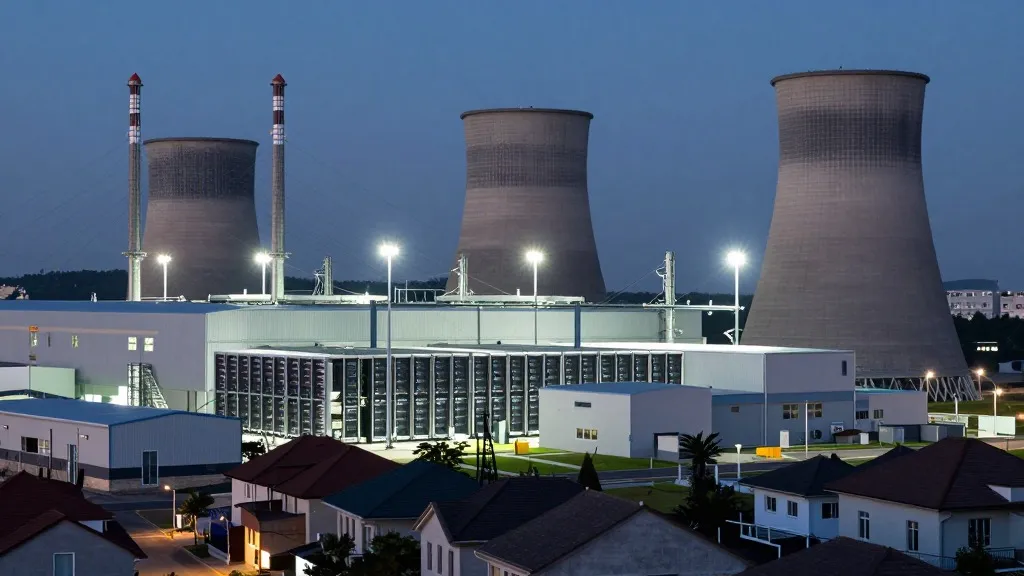
President Donald Trump is demanding that massive AI data center operators pay a direct financial dividend to the local communities that host their facilities. In a statement released on Truth Social this week, the President outlined a new approach to managing the growing footprint of artificial intelligence infrastructure. He argued that these facilities should not only generate their own electricity but also return excess energy or funds to the local grid. The goal is to offset rising utility bills and potentially lower costs for nearby residents. This move aims to address the widespread friction between tech giants and the small towns absorbing the physical impact of the AI boom.
The push for this mandate follows a period of intense local opposition across the United States. Residents in various regions have protested the arrival of new data centers, citing a long list of environmental and economic concerns. Common complaints include sharp increases in electricity rates, significant noise pollution, and strain on local water supplies. Other issues raised by community groups include air quality degradation and deforestation associated with land expansion. These factors have made the presence of hyperscale computing facilities a contentious topic in many municipal elections and town hall meetings.
The administration views this strategy as a dual benefit. It seeks to maintain a competitive edge against China in the global AI race while simultaneously winning back favor with the public. By requiring companies to contribute to the local economy, the White House hopes to make the infrastructure more palatable to the neighbors who live near these massive campuses. The specific mechanics of how this dividend will be calculated and distributed remain to be detailed. However, the focus on energy suggests a strong link to the recently passed legislation that requires data centers to cover the costs of necessary grid upgrades. This new requirement aims to prevent those infrastructure expenses from being passed on to local taxpayers.
Trump emphasized the economic logic behind the proposal in his post. He noted that data centers which were initially unpopular in specific areas have become highly accepted after a financial agreement was reached. The President urged industry leaders to prioritize these negotiations, stating that the key is to make deals and get the projects built. This directive aligns with previous administration orders that required these companies to be self-sufficient in their power generation. The expectation is that any surplus energy produced by these self-contained systems will flow back into the community, creating a tangible benefit for local households.
The timing of this announcement coincides with the finalization of rules regarding grid maintenance. A recent act mandates that data center operators shoulder the financial burden of upgrading electrical infrastructure to meet their demands. This prevents local municipalities from having to levy taxes to pay for the necessary expansions. By combining this requirement with the new call for a community dividend, the administration is creating a layered approach to local engagement. The hope is that reducing the financial strain on the local grid will smooth the path for future construction projects in previously resistant areas.
Despite the optimism in the presidential post, the practical implementation of these ideas faces scrutiny. The term dividend typically implies a payout from profits, yet many new data center projects are still in the capital-intensive construction phase. Critics question whether these facilities will be profitable enough to sustain a regular dividend stream in the short term. Furthermore, the immediate power generation methods often utilized by these centers, such as gas-powered generators, have their own local impacts. These systems can be noisy and less efficient than the conventional power plants they aim to supplement, raising questions about the net benefit to nearby residents in the immediate term.
The broader challenge remains the environmental footprint of the AI industry. While financial compensation can address the cost of electricity, it does not automatically resolve issues related to water consumption, ecological damage, or pollution. These remain significant hurdles for developers looking to secure community approval. The administration’s strategy relies on the belief that a shared financial interest will outweigh these other concerns. It is a bet that money can buy goodwill in the rapidly evolving landscape of American technology infrastructure.
As the industry moves forward, the focus will shift to how these mandates are enforced and how the funds are distributed. The next steps involve detailed negotiations between hyperscalers and local governments. The success of this policy will be measured by the number of new sites that gain community support and the tangible reduction in local energy costs. For now, the message from Washington is clear. The era of data centers taking without giving back is coming to an end, and the local community is expected to receive a significant slice of the pie.
Source: Tom's Hardware