Australians feel poorer and more distrustful, but social bonds hold steady
A new survey finds economic stress is driving voter shifts, even as support for multiculturalism remains high.
By Jason Wood ·
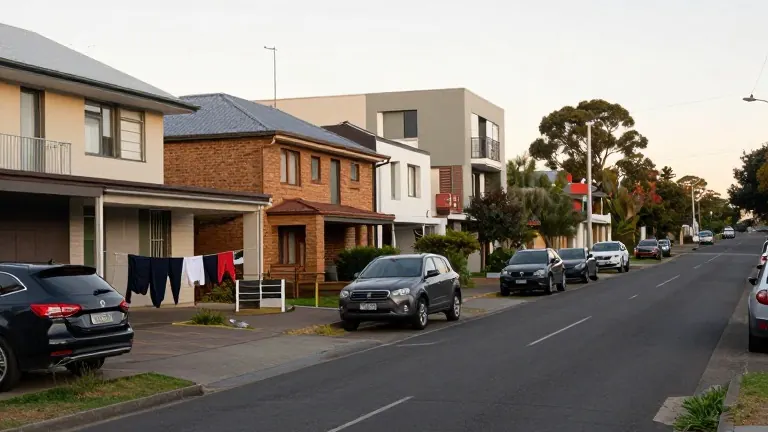
A new national survey indicates that while Australians remain supportive of a diverse society, a growing sense of economic insecurity is fueling political distrust and shifting voting habits.
The annual Scanlon report, which polled more than 10,000 people with 100 questions, shows the overall index of social cohesion has held steady at 78 out of 100 since 2023. This metric measures belonging, worth, and social inclusion. However, the report notes that this stable average masks underlying strain. Sixty-two percent of adults believe social cohesion has actually declined in recent years, a perception that conflicts with the steady headline number.
Economic pressures dominate the findings. Thirty-six percent of respondents named the cost of living as their top issue, far ahead of housing affordability at 11 percent and immigration at 9 percent. The report details specific hardships: 13 percent of adults said they had gone without food at least sometimes, and 16 percent sold possessions for cash. One in five reported sometimes going without medicine or healthcare, or struggling to heat or cool their homes.
These financial stresses are altering political allegiances. The report links economic hardship to a decline in support for the Labor and Coalition parties. Among people who voted for Labor or the Coalition in the 2025 federal election, 47 percent of those experiencing financial hardship now prefer a different party or candidate, compared to 36 percent of those without hardship. Most of these voters are shifting toward One Nation. Currently, 42 percent of Greens voters and 35 percent of One Nation voters report having missed meals, healthcare, or home utility payments, figures that are higher than among Labor and Coalition supporters.
Trust in institutions has eroded, particularly among certain voter groups. Only 9 percent of One Nation voters trust the federal government to do the right thing, while 64 percent of that group believe government leaders abuse their powers. In contrast, 54 percent of Labor voters trust the government, and only 16 percent believe leaders abuse their powers. Trust in fair elections and fair courts also varies sharply by political leaning.
Dr. James O'Donell, the lead author from the Australian National University, described the mood as one of pressure rather than permanent change. "People are clearly under pressure with economic pressures, there’s discontent and distrust, people are blaming immigration … but we don’t necessarily see a permanence to that," he said. He added that the resilience of daily social life, such as volunteering and local trust, provides a buffer against these stresses.
Attitudes toward specific immigrant groups have shifted since 2024. Negative views of Indian immigrants rose to 33 percent, while negative attitudes toward Jewish people increased to 18 percent and toward Muslim people rose to 43 percent. Despite these changes, broad support for multiculturalism remains strong. Eighty-seven percent of Australians believe immigrants are as likely to be good citizens as Australian-born people, and 76 percent agreed that multiculturalism has been good for the nation.
The survey also reveals changing priorities for national concerns. While climate change was the top issue for only 4 percent of respondents, 69 percent expressed worry about artificial intelligence, a concern that ranked higher than climate change or military conflict. The next data collection is scheduled to update these metrics as economic conditions continue to evolve.
Source: The Guardian