US Conducts Defensive Strikes in Strait of Hormuz as Diplomacy Stalls
Vice President Vance expresses optimism for a deal even as Netanyahu pushes for renewed air campaigns ahead of the US midterm elections.
By Joao Menon ·
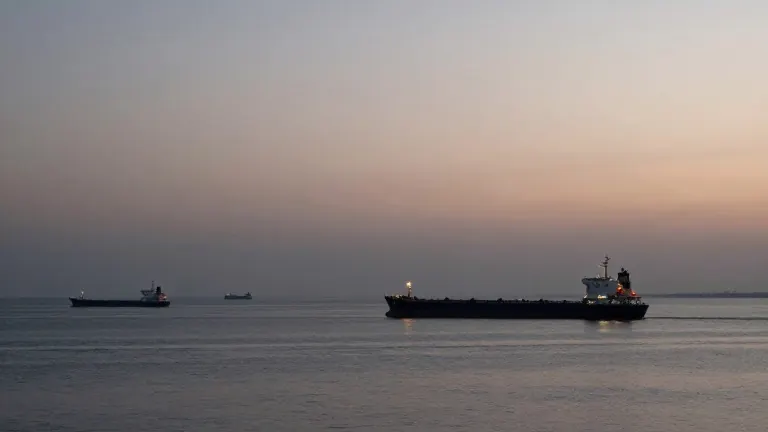
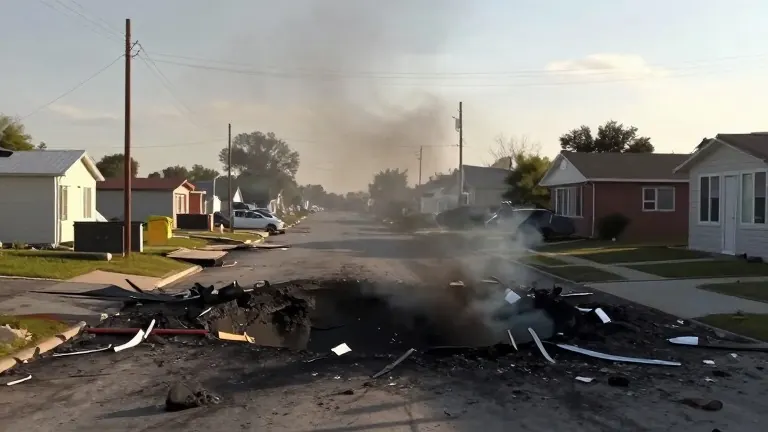
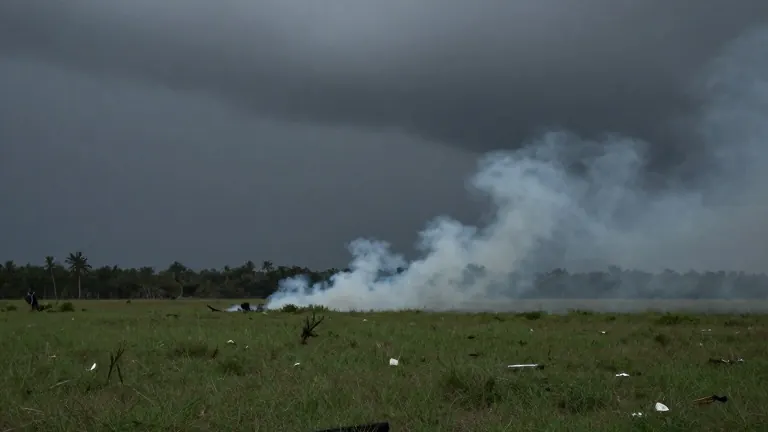
Regional tensions intensified on Monday as the United States carried out defensive strikes against several Iranian targets in the Strait of Hormuz, according to a US official. The military action occurred while Washington and Tehran engaged in backchannel diplomatic efforts to prevent a full-scale resumption of the eight-month conflict.
Oil prices fell sharply on Monday, reflecting market relief that negotiations might be gaining traction. The war has cost US taxpayers at least $47 billion, and rising fuel prices have become a political concern for Republicans seeking to retain control of Congress in Tuesday’s midterm elections. President Donald Trump addressed the drop in prices during a speech in Washington, describing the conflict in minimized terms.
Vice President JD Vance indicated that the administration remains open to a negotiated settlement. He stated that he had spoken with President Trump about the situation an hour prior to his public remarks. Vance noted that recent conversations with Iranian officials were productive and that both he and the president felt optimistic about reaching a deal.
Israeli Prime Minister Benjamin Netanyahu lobbied Trump over the weekend for a new wave of strikes. Two regional officials said Netanyahu is working to persuade the US president to launch a quick but extensive air campaign. This push coincides with Netanyahu’s effort to form an emergency government after his coalition lost its parliamentary majority in last week’s Israeli elections.
Qatari mediators held two rounds of talks with Iranian officials last week. They are attempting to establish a framework where Iran ceases attacks in the Strait of Hormuz in exchange for the US lifting its blockade of Iranian ports. More talks are scheduled for this week, though sources speaking on condition of anonymity cited classified briefings from American and Israeli officials.
Iran’s security chief, Mohsen Rezaei, told state television that the tone from the US has changed for the better. He acknowledged receiving a letter from Vance last week but did not provide details on its contents or his response. The new supreme leader, Ayatollah Mojtaba Khamenei, met with military chiefs and urged immediate responses to any threats without geographic limits.
Arab allies remain divided on the path forward. United Arab Emirates presidential adviser Anwar Gargash warned at the Manama Dialogue in Bahrain that if US and Iranian positions are not bridged, the region must worry about the worst. China announced it will send a special envoy to Iran, Oman, and Saudi Arabia in early to mid-November.
Source: WKMG-TV