Seven years of waiting ends with a refund for Australian truck fans
Tesla has officially halted Cybertruck production for Australia and New Zealand, returning deposits to thousands of customers who have waited since 2019.
By Jason Wood ·
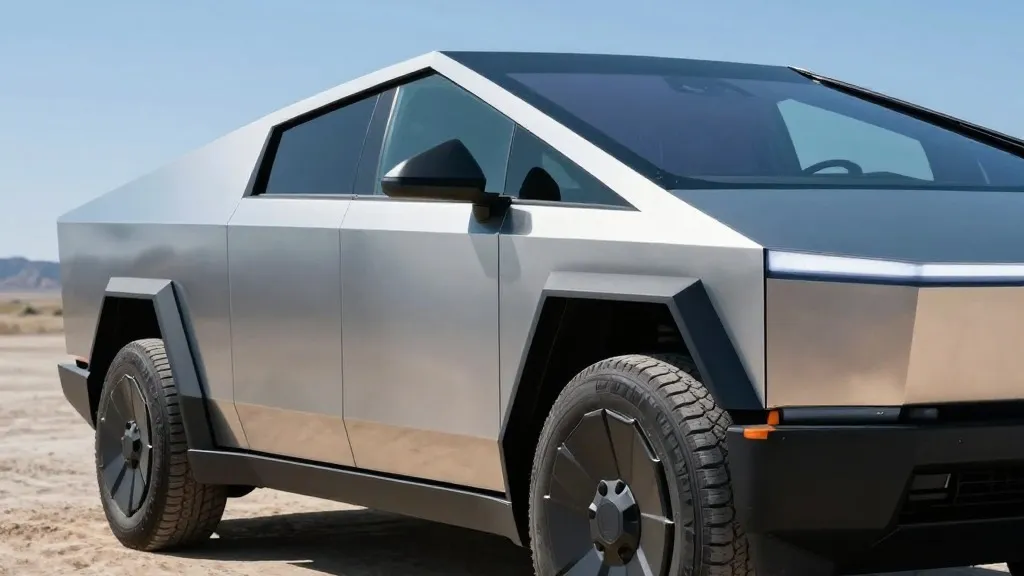
Nearly seven years is the amount of time Australian and New Zealand customers spent waiting for an electric pickup truck that will never arrive. Tesla sent out notifications today confirming that the Cybertruck reservation program for these two markets is officially over. The email informs holders that their orders are void and that their deposits will be returned in full. This marks the end of a long saga that began in November 2019 when residents started placing A$150 reservations for the vehicle.
The financial details of the cancellation are straightforward. Tesla stated that customers will receive a complete refund for any payments made. The company expects to process these refunds within 30 days. To sweeten the deal for those who still want a new electric vehicle, Tesla is offering a free one-year subscription to FSD (Supervised). This perk is available to reservation holders who place an order for a new Model 3 or Model Y. The move appears designed to convert dead reservations into sales of cars that are already being built in right-hand drive configurations.
The timing of this announcement is notable. The emails went out just one day after Tesla reported its third-quarter 2026 earnings. The decision effectively closes a chapter that started with high hopes and ended with quiet uncertainty. For a while, Australia was considered a significant potential market. A crowdsourced survey from 2020 suggested the region held about 3% of all global Cybertruck reservations, placing it third behind the United States and Canada. While Tesla never confirmed these specific regional numbers, broader tracking by 2023 estimated total global reservations at around 2 million.
The path to this cancellation has been marked by delays and shifting timelines. Tesla quietly closed the Australian reservation page in May 2022. At that time, the company replaced the order button with a simple option to get updates. Crucially, Tesla did not refund anyone then. Customers who had already paid simply kept waiting. In 2024, the company shipped a Cybertruck to Australia for a display tour. During that period, CEO Elon Musk told shareholders that the company might be able to certify the vehicle for other markets sometime next year. That next year came and went, but a right-hand-drive version never materialized.
The core technical hurdle is the vehicle's orientation. The Cybertruck is built exclusively in left-hand drive. Australia, New Zealand, the UK, and Japan all require right-hand drive vehicles. Australia also mandates certification under its own specific design rules. This creates a significant financial burden for a truck that is already facing demand issues in its home market of North America. Re-engineering the vehicle for right-hand drive would be a costly endeavor for a product with limited global appeal.
Tesla’s international expansion strategy has focused on left-hand-drive markets so far. Deliveries began in South Korea late last year and in the UAE in January. Configurator options followed for Saudi Arabia, Qatar, Jordan, and Israel. The truck remains blocked in the EU, primarily due to pedestrian safety concerns. The volume of sales does not support a new right-hand-drive program. Tesla delivered just 8,295 units in the Other Models category in Q3 2026. This category is now almost entirely composed of Cybertrucks since production of the Model S and Model X ended. Estimates suggest Cybertruck sales were between 7,000 and 8,000 units last quarter. This represents an annual pace of roughly 30,000 units for a production line designed to handle 250,000 units a year.
At this production rate, it is difficult to justify the investment required to re-engineer the truck for two markets with a combined population of about 33 million people. The decision confirms that the Cybertruck is now a niche product, primarily aimed at American buyers. Tesla is unlikely to invest further in the model and is instead focusing on finding buyers for the existing left-hand-drive inventory. For the thousands of Australians and New Zealanders who held onto their deposits for nearly a decade, the wait is finally over.
The refund process will begin shortly, providing closure for customers who have been in limbo since the early days of the reservation process. The shift in strategy highlights the challenges Tesla faces in expanding its unique vehicle lineup to markets with different driving configurations.
Source: Electrek · original report published
More Business · Bad Service · Report a business · Got a Story?