The 2027 Deadline: Tesla’s Humanoid Robot Faces a Hard Timeline
Tesla has set a late-2027 target for external Optimus deliveries, citing significant hurdles in hand mechanics and AI reliability that competitors are also navigating.
By Tariq Mahmoud ·
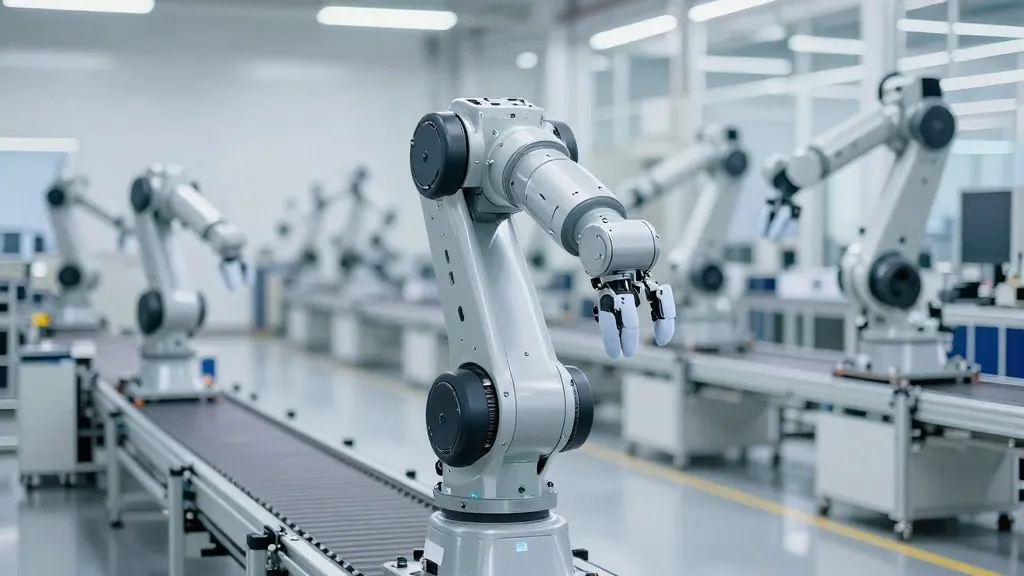
Tesla has officially set a late-2027 target for beginning external deliveries of its Optimus humanoid robot.
During the company’s Q3 2026 earnings call, Elon Musk acknowledged that the robot is not yet ready for widespread use. He identified three primary obstacles that must be resolved before customers can receive units: the robot’s artificial intelligence, its electromechanical durability, and the specific design of its hands. Musk stated that these issues are expected to be addressed by the end of next year, at which point Tesla plans to start shipping robots to outside businesses. The initial focus will be on industrial applications involving dangerous, repetitive, or 24/7 tasks.
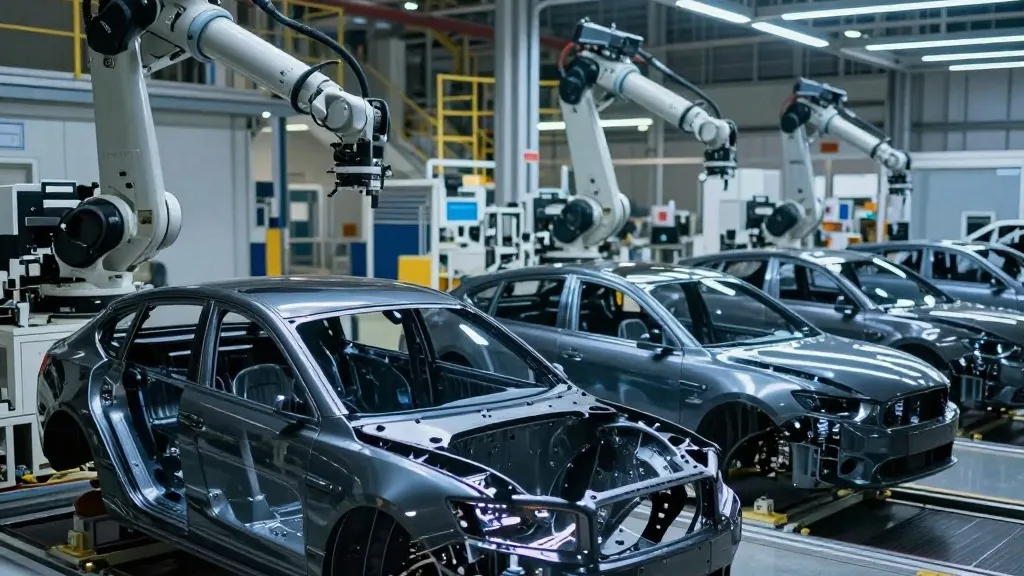
Production is currently ramping up on a high-volume line in Fremont, California, a facility previously used for Model S and X vehicles. While the infrastructure is being installed to support a theoretical capacity of one million units annually, Musk noted that reaching a rate of 20,000 units per week will take at least a year. This delay is largely due to ongoing design changes. When pressed on these changes, a Tesla engineer highlighted the hand as a particularly difficult component. The challenge lies in creating fingers that are soft enough to handle delicate objects but durable enough to withstand constant wear, a trade-off that human skin manages naturally but metal and silicone do not.
Beyond hardware, the AI architecture remains a work in progress. Unlike Tesla’s cars, which have a large fleet collecting data for Full Self-Driving, the robot fleet is much smaller. To accelerate learning, Tesla plans to build 10,000 to 20,000 units that will practice tasks in a dedicated "Optimus Academy." The company also intends to integrate its AI5 chip into the robots around April 2027. Musk promised a video within the next few months showing the robot performing unscripted tasks, arguing that many current industry demos rely on pre-programmed routines that fail in real-world conditions.
This timeline represents a significant shift from previous promises. In 2024, Musk suggested high-volume external production could happen as early as 2026. By January 2025, he projected 10,000 robots would be built that year, with several thousand performing useful work by year-end, a goal he later admitted was not met. The Q3 shareholder letter now describes the current Fremont output as the first "production-quality" units, implying prior prototypes were not. Competitors like XPeng and Boston Dynamics are on similar or slightly faster tracks, with XPeng targeting mass production by late 2026 and Boston Dynamics already deploying electric Atlas units in automotive plants.
Despite Musk’s assertion that no one is close to Tesla’s progress, rivals are making tangible strides. XPeng has automated over 80% of its IRON robot production line and aims to deliver units to stores and malls in the first half of 2027. Meanwhile, Boston Dynamics has committed all its 2026 Atlas deployments, including to Google DeepMind, and has opened a training center in Georgia. While Tesla may have the most ambitious production capacity, the core challenge for the entire industry remains making robots reliable and intelligent enough to justify their cost in the real world.
Source: Electrek