Orchid Gaps Leave Wild Species Exposed
Research from FIU reveals 26 endangered orchids in Southeast Asia lack formal conservation measures while trade continues.
By Jason Wood ·
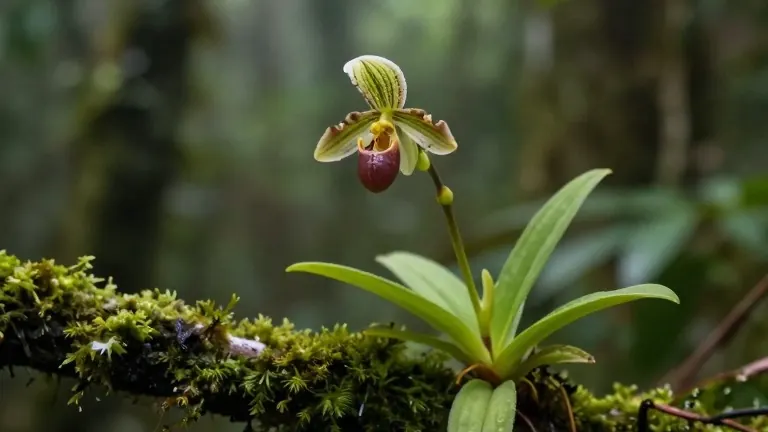
Southeast Asia hosts some of the highest concentrations of orchid diversity on Earth. A new study from Florida International University identifies specific gaps in how the region protects these plants.
Professor Hong Liu, who leads research at the International Center for Tropical Botany at The Kampong, published findings showing 26 endangered orchid species currently have no active conservation measures. Corybas puniceus, a small orchid found only in Southeast Asia, is one of them. The species is classified as critically endangered despite its popularity among global collectors.
Liu argues that preserving forests is insufficient. Effective protection requires tracking where marketplace plants originate, monitoring online sales, and understanding how wild orchids are used in breeding programs. The study found that many sought-after species remain largely unprotected while the region’s floral industry thrives.
A major barrier is orchid laundering. Collectors sometimes label wild plants as artificially propagated to obscure their origin. This practice complicates enforcement under CITES, the Convention on International Trade in Endangered Species. CITES permits do not always verify whether a plant was grown in a nursery or collected from the wild. Inspectors struggle to distinguish between the two when documentation is vague.
Online sales add another layer of complexity. Liu’s team examined internet orchid sales and found it difficult to verify the source of many wild-collected species. Without clear information, potentially threatened plants move across borders with little oversight. They circulate in the marketplace without leaving a clear trail for regulators to follow.
Commercial trade also impacts wild populations through breeding programs. Breeders cross different species using parent plants that are already critically endangered. The original wild orchid may disappear from direct trade, but its genetic material persists in cultivated offspring. This keeps a connection to threatened wild species alive in future generations of plants.
Liu suggests the orchid industry can help solve these problems. Countries with modern orchid production technologies could share methods to establish nurseries. Increasing the supply of artificially propagated plants could reduce pressure on wild populations. Sustainable facilities could also train harvesters in practices that lower the impact of collecting while supporting local livelihoods. "I think that would be a win-win situation," Liu said.
Source: FIU News