Lula Takes Brazil's Top Job With 51.79% of the Vote
The incumbent president reversed a first-round deficit to defeat Flávio Bolsonaro by 4.3 million votes in a runoff decided in the final hours of voting.
By Joao Menon ·
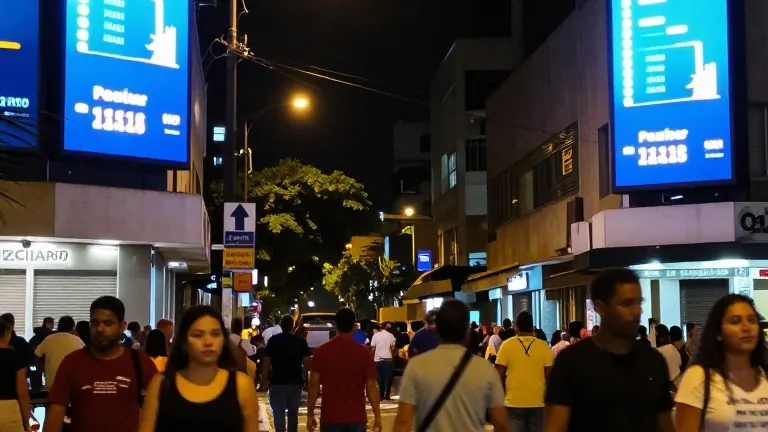
Luiz Inácio Lula da Silva secured a fourth term as president of Brazil on Sunday, overcoming a substantial deficit from the first round to defeat Senator Flávio Bolsonaro. Results were confirmed shortly after midnight UK time on October 26, 2026. Lula received 51.79% of the votes cast, while his opponent garnered 48.21%. The gap between the two candidates amounted to approximately 4.3 million votes among a electorate of 159 million people.
This victory marks a historic shift in Brazilian politics. In the first round held earlier this month, Flávio Bolsonaro led with 56.1 million votes against Lula's 53.8 million. That result represented 47.03% for Bolsonaro and 45.16% for Lula. Since Brazil restored democracy in 1985, a candidate trailing in the first round had never won the subsequent runoff. The race tightened considerably in the weeks leading up to the second ballot, with polls showing Bolsonaro ahead by only small margins.
Lula credited a digital strategy for reversing the trend. He joined a WhatsApp group known as 'Lula's army,' which coordinated efforts to make supportive content go viral. The president also began posting on Instagram and TikTok, a platform he had only recently adopted. This move allowed his digital reach to surpass that of the Bolsonaro campaign. In contrast, the opposition faced setbacks, including a report from the magazine Piauí alleging that Flávio Bolsonaro attended a boat party in 2020 with sex workers and vaccine lobbyists.
The campaign was also shaped by international tensions. President Donald Trump called the trial of Jair Bolsonaro a 'witch-hunt' and imposed 50% tariffs on Brazilian imports. Lula positioned himself as a counterweight to these actions, pursuing a foreign policy that balances relations with the United States, China, and Russia. He also declined to join a coalition of Latin American nations conducting military operations against drug cartels in partnership with the Pentagon.
The outcome has immediate implications for environmental policy. Deforestation in the Amazon fell by more than 70% under Lula's previous administration, which also enforced stricter rules on illegal mining and supported Indigenous communities. However, the newly elected Congress includes a record number of right-wing politicians who are often hostile to these causes. Tom Phillips, a Guardian Latin America correspondent, noted that environmental issues were largely absent from the final debate, where voters focused on the economy and public security.
Flávio Bolsonaro has refused to acknowledge the loss. He cited the decision to extend voting hours by two hours as a reason why it is 'impossible to concede the election result.' Both campaigns had requested the extension for different reasons. Phillips expects the challenge to fail because world leaders are already recognizing Lula's victory. He suggested that Bolsonaro may travel to the United States to avoid ongoing criminal investigations in his home country.
Lula will turn 81 on Tuesday. His victory ends a period of political uncertainty and places him back in the presidency after a competitive race that stayed close until the final votes were counted.
Source: The Guardian
More Politics · World news · Report a business · Got a Story?