Nvidia’s Acquired Robot Duck Surges Past 20,000 Preorders After Viral Keynote Moment
A fleet of waddling, open-source Microducks captured global attention during a GTC Berlin presentation, positioning the device as a potential holiday sensation for both children and adults.
By Ishani Kapalli ·
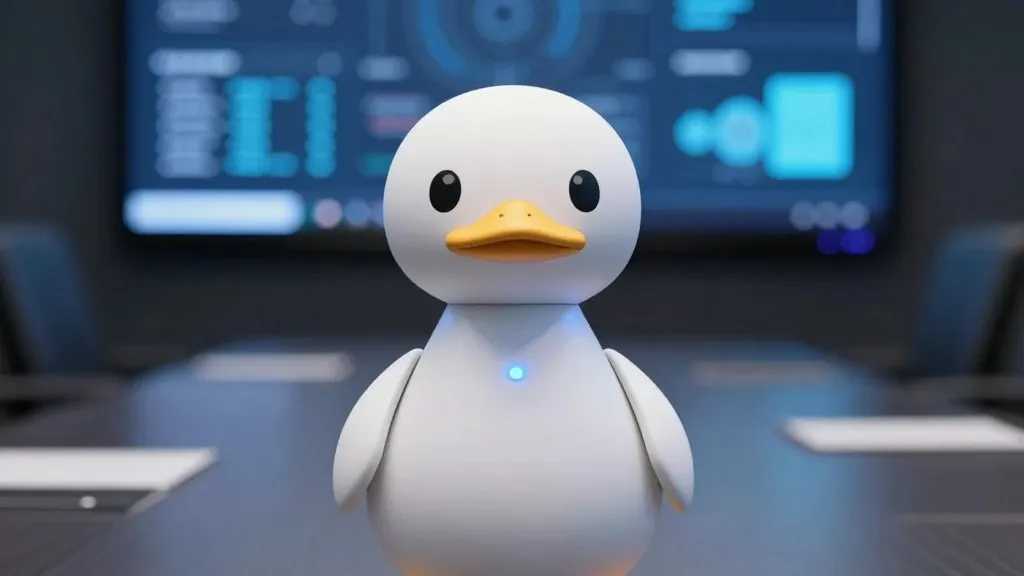
Jensen Huang, the chief executive of Nvidia, transformed a standard corporate keynote into a viral sensation earlier this week by interacting with a group of small, robotic ducks. The footage, captured during the company’s GTC Berlin conference, showed Huang engaging with the devices as they performed a series of programmed behaviors, including walking, sitting, and executing somersaults on voice command. The robots, known as Microducks, also featured a playful mechanic where they would collapse to the ground to simulate a nap, accompanied by small sound effects reminiscent of the droid from Star Wars.
The immediate impact of the demonstration was measurable in sales figures. According to Clem Delangue of Hugging Face, preorders for the Microducks exceeded 20,000 units within just one day of the video gaining widespread traction. This rapid uptake suggests the device has significant potential to become a dominant product in the holiday market, with deliveries expected to arrive in time for Christmas.
Delangue has expressed confidence that the Microduck may end up being the best-selling robot of the year. Notably, the promotional materials and viral clips indicate that the target demographic is not exclusively children. Adults are prominently featured playing with the devices, suggesting the robot appeals to a broader audience interested in interactive technology and novelty items.
The Microduck is an open-source device developed by Pollen Robotics. The company was acquired by Hugging Face in 2025, and Hugging Face subsequently became part of Nvidia following a purchase completed in September of this year. This places the Microduck within Nvidia’s expanding hardware ecosystem, marking it as the second robot released by the Hugging Face entity, following the earlier launch of the Reachy Mini.
The robots utilize Nvidia’s technology stack for their development. Specifically, simulations of the ducks were used to teach them basic motor skills and tricks, such as walking, sitting, and standing, which are included in their factory configuration. This approach to training allows for a consistent baseline of functionality for all units shipped to consumers.
A key differentiator for the Microduck is its extensibility. Pollen Robotics has stated that owners have the ability to teach their individual robots new behaviors and tricks. Furthermore, the open-source nature of the project facilitates a community-driven environment where users can share these custom-trained routines with others, potentially expanding the robot's capabilities beyond its initial firmware.
The viral success of the Microduck comes at a time when the artificial intelligence industry has faced scrutiny. Earlier this week, the sector was criticized for its role in a series of cyberattacks, creating a tense atmosphere within the tech community. The lighthearted nature of the robot duck presentation provided a contrasting narrative, offering a moment of levity and showcasing the more accessible, fun side of AI technology.
As the holiday season approaches, the Microduck is poised to test the market appetite for compact, interactive robots. With its combination of cute aesthetics, open-source flexibility, and backing from major tech players like Nvidia and Hugging Face, the device has already secured a significant foothold in consumer interest. The next few weeks will determine if the initial viral spike translates into sustained sales and whether the robot truly captures the holiday market as predicted.
Source: TechCrunch