Judges restrict Mandelblit questioning in Netanyahu trial
A 2-1 vote limits the former attorney-general's testimony to specific approvals, sparking a recess in the corruption case.
By Mei Melnyk ·
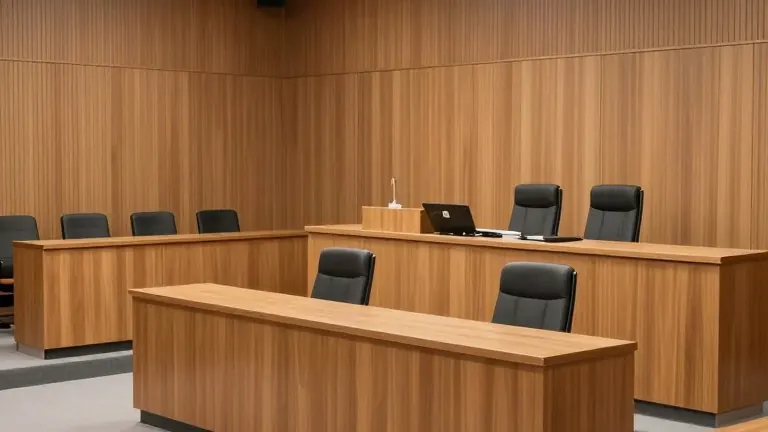
The Jerusalem District Court recessed on Wednesday after a 2-1 vote limited how far defense attorneys can question former attorney-general Avichai Mandelblit. The panel confined his testimony to the specific approvals he granted for investigations into Prime Minister Benjamin Netanyahu. This decision followed a debate over whether the defense could probe broader police and prosecution conduct.
Judge Moshe Bar-Am dissented from the majority view. He argued that Mandelblit's own testimony about unlawful investigative actions opened a door that the court should not close. "How can we ignore the fact that the attorney-general comes here and testifies about unlawful actions?" Bar-Am asked prosecutor Yehudit Tirosh. He warned that limiting questions might leave gaps in the factual record.
Presiding Judge Rivka Friedman-Feldman and Judge Oded Shaham voted with the majority to keep the scope narrow. They focused on the issue for which Mandelblit was originally allowed to testify: the authorizations he gave. Defense lawyer Amit Hadad requested an adjournment to adjust his planned questions. The prosecution did not object, and the session ended after about two hours.
Mandelblit is a key defense witness on the issue of police authorization. Under Israel's Basic Law, the attorney-general must consent before a criminal investigation into a sitting prime minister can begin. Mandelblit has stated that he authorized the investigations but acknowledged some significant steps were taken without his approval. He said he ordered police to halt wiretapping of Natan Eshel once he learned of it. He also described a tactic used on Nir Hefetz as improper, noting he had not known about it in advance.
The witness has maintained that he defended the decision to indict despite investigative irregularities. He rejected claims that pressure shaped his choices and disputed the defense claim that the bribery charge in Case 4000 had collapsed. The defense argued that material information was withheld from Mandelblit, which undermined his decision to file charges. Prosecutor Tirosh objected to widening the testimony, saying alleged gaps should be raised with investigators.
Mandelblit's appearance coincided with the final weeks of the election campaign. He began testifying on October 11, and his hearing extended past the originally planned dates. Wednesday's session took place the day after the national vote. The trial, which began in May 2020, covers three distinct corruption cases involving gifts, media coverage, and regulatory favors. The defense case and closing arguments must still be completed before a verdict is reached.
Source: The Jerusalem Post
More Politics · World news · Report a business · Got a Story?