Bulgaria's Presidential Race: Economic Strains and Black Sea Tensions
Turnout remains historically low as voters choose between a Moscow-friendly incumbent path and a pro-Western opposition candidate.
By Jason Wood ·
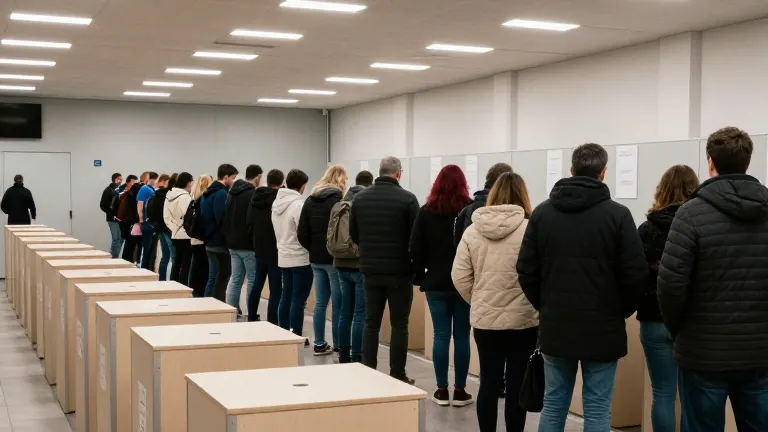
Voters in Bulgaria stepped into polling stations on Sunday morning, navigating a national election defined by deep political division and external pressure. The contest pits Iliana Yotova, the acting president, against Andrey Gyurov, a former interim prime minister. Both candidates campaigned hard to persuade a skeptical electorate that had shown little enthusiasm in the first round held on October 25.
That initial vote set a record for low participation, with only 23% of eligible citizens casting ballots. Yotova led Gyurov by 2.8 percentage points in that preliminary count. Now, with polls open from 7 a.m. until 8 p.m., the stakes are high. Election officials plan to release official results on Monday, though exit poll data is expected shortly after the voting period ends.
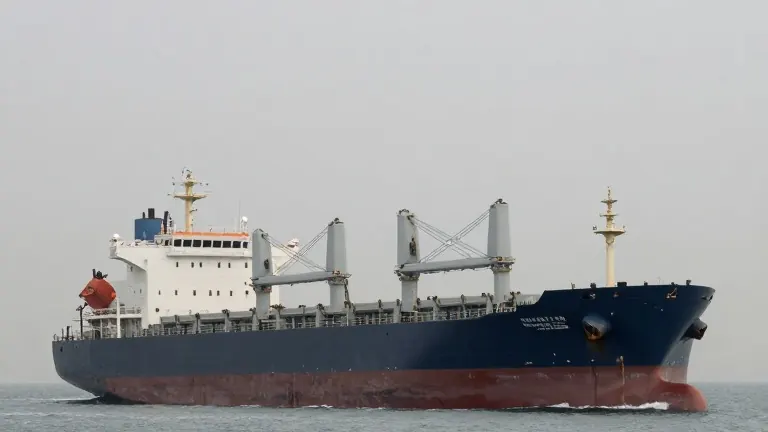
The political backdrop is complicated by economic hardship at home and rising security threats abroad. Drone attacks on Black Sea shipping have claimed the lives of several sailors, a reality that weighs heavily on the national mood. Yotova, who is running as an independent, ascended to the acting presidency earlier this year when former head of state Rumen Radev resigned to lead his party in the general election.
Radev’s Moscow-friendly Progressive Bulgaria party backs Yotova. Her platform suggests a continuation of Bulgaria’s European trajectory while simultaneously improving relations with Russia and easing sanctions. In a recent television debate, Yotova argued that peace in Ukraine could only come through negotiations. She proposed a security meeting among all six Black Sea nations to sign a moratorium on hostilities.
Gyurov, an economist and former central bank deputy governor, represents the pro-Western reformist opposition. He led the country briefly in early 2026 and has consistently supported Ukraine. During his time in office, he signed a security cooperation agreement with Kyiv. He criticizes the current government for hesitating to label Russia as the aggressor in the ongoing war.
Gyurov advocates for a firm diplomatic stance and strong NATO commitment. He believes Bulgaria must be at the table for EU decisions from the start. His position is summarized by a warning he issued regarding passive diplomacy: “When you have no position and are not at the table, you are in fact on the menu.”
Political observers note that a victory for Yotova would place the presidency in the hands of the ruling majority. This concentration of power could limit the checks and balances currently maintained by other institutions. The outcome will determine whether Bulgaria continues its current diplomatic course or shifts toward a more assertive Western alignment.
Source: WDIV ClickOnDetroit