Secret agencies move billions past US blockade
A hidden network of over 5,000 military bodies facilitated the import of $2 billion in hardware and explosives for Iran's defense sector.
By Mei Melnyk ·
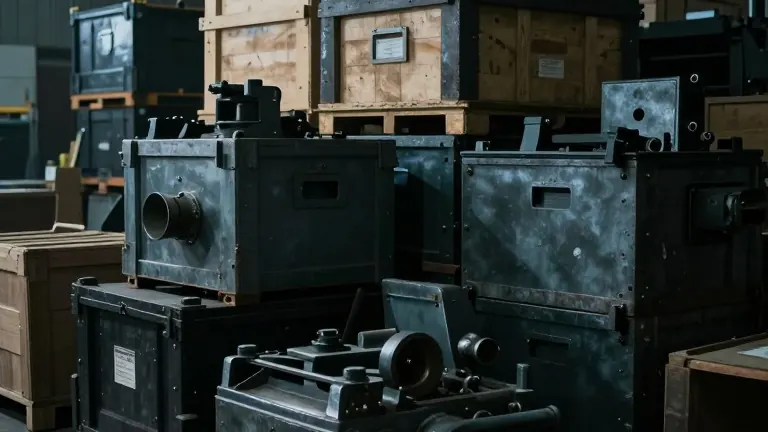
More than 5,000 secret military agencies have moved at least $2 billion in hardware, explosives, and heavy trucks into Iran since January 2025. The network operated behind the US naval blockade and Western sanctions. Shipping data and bank records reveal the scale of this covert procurement machine. The imports include rocket propellants, weapons components, and launch vehicles.
The entities, identified by names starting with MOD, share a Tehran address with the Ministry of Defense and Armed Forces Logistics. Most were formally established in 2013, though records list their incorporation date as February 11, 1979. That date marks when Ayatollah Khomeini took power in Iran. The agencies form a parallel trade system that allows the military to spend illicit oil revenue on foreign goods.
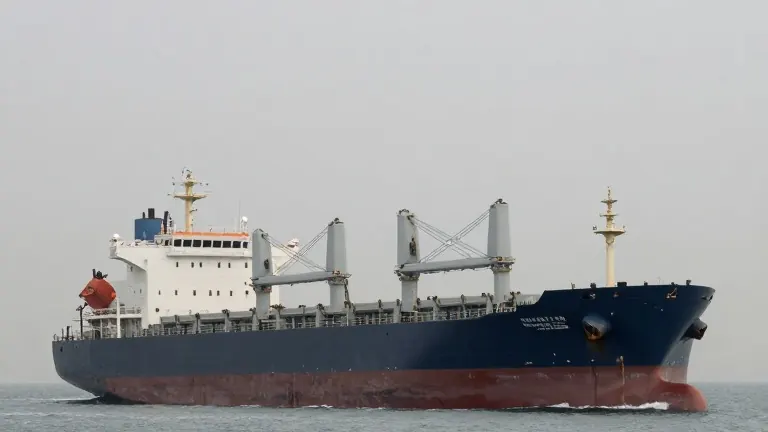
Between January 2025 and June 2026, a single agency, MOD 346428, imported critical materials for drone and missile production. The hardware arrived by land, sea, and air. Much of it originated in China, Russia, and Germany. The items included detonators, aircraft engine parts, and rocket fuel ingredients. Nearly all imports were marked as military equipment and exempt from duty.
The network relies on trusted frontmen and foreign shell companies known as trustees. These actors use cash held in foreign banks to buy goods for the Islamic Republic. For 97% of the shipments reviewed, transactions were settled without currency transfer. This method helps avoid sanctions alarms that might trigger when money crosses borders. The system allows Iran to bypass traditional financial tracking.
Phone numbers registered to 91 of these agencies appear in records from Bank Sepah, the state-run lender for the Islamic Revolutionary Guard Corps. At least two commanders accused of abusing civilian protestors have accounts at this bank. The agencies serve as end users for ballistic missile programs and drone manufacturing units. One such unit, Sahara Thunder, was sanctioned by the US in 2024 for supplying drones to Russia.
Experts confirmed that the imported materials support Iran's military capabilities. Miad Maleki, a former senior US Treasury official, called the network the regime's military lifeline. He described it as the complete ecosystem of the Iranian military's trade business. Peter Salisbury, a researcher at Columbia University, noted the industrial scale of the effort to rebuild Iran's drone and missile fleet. The data shows the ecosystem's adaptability in finding new routes.
The US Treasury Department responded to the findings with a statement. A spokeswoman said the United States has severed the regime's economic lifelines. She claimed that while the regime attempts to evade sanctions, the US remains ten steps ahead. The department did not confirm the specific numbered agencies were previously designated. Reuters found no evidence that Western governments had designated any of the numbered agencies in the documents.
China's Foreign Ministry stated it was unaware of the situation described. The ministry said it opposed attempts to link regional hostilities to China. Russia's Defense Ministry, the White House, and CENTCOM did not respond to requests for comment. A UAE official rejected the allegations as baseless, stating the Emirates prevents misuse of its territory for illicit activities. Iran's government entities did not respond to detailed requests for comment.
The most recent shipment from the UAE arrived by sea on June 27. This was nine days after the US announced it was suspending its naval blockade. The blockade resumed in mid-July and remains in effect. Since the war started on February 28, $27 million worth of goods purchased by Iran's military were recorded as originating in the UAE. Iran continues to target UAE infrastructure and crude tankers with drones and missiles.
Investigators cross-checked nearly 19,000 import records using shipping documents and social media footage. The analysis included data from the risk consultancy 240 Analytics. The findings provide insight into how the IRGC replenishes its arsenals while firing thousands of munitions. The secret agencies remain the backbone of Iran's military procurement and sanctions evasion apparatus.
Source: The Jerusalem Post