122 acres: Amazon pulls four data centers out of Loudoun County
Following intense local resistance and grid capacity concerns, the tech giant is converting the former university site into housing and community spaces.
By Gabriela Flores ·
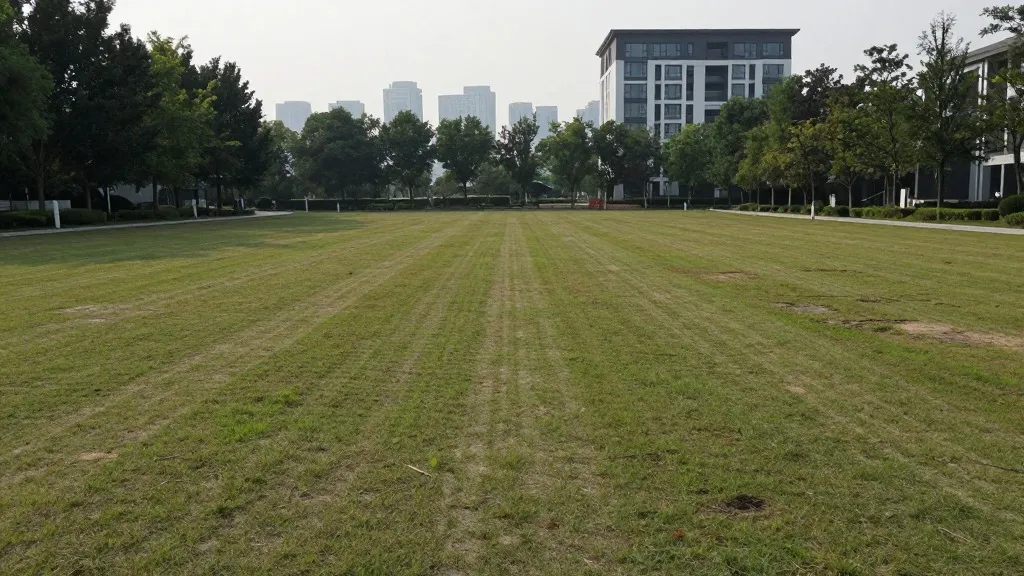
The tension between massive cloud infrastructure ambitions and local living standards reached a breaking point in Northern Virginia. After months of debate, Amazon has officially scrapped plans to construct four new data centers on a 122-acre site in Loudoun County. The land, formerly the campus of George Washington University, will instead be redeveloped primarily for mixed-use and residential projects. This decision marks a significant retreat for one of the largest tech companies in the world, signaling that the push for AI processing power may have hit a wall in one of the densest data hub regions on the planet.
The shift comes after a formal proposal submitted in July drew sharp criticism from the community. Residents voiced deep concerns regarding the noise generated by cooling systems and the immense electrical load the facilities would place on local infrastructure. By September, the friction had become palpable. Phyllis J. Randall, the Chair of the Loudoun County Board of Supervisors, met with company representatives to discuss the future of the land. During these talks, it was suggested to Amazon that an alternative use for the property might be more beneficial for both parties than a contested data center build.
Amazon’s vice president for data center development, Josh Weissman, acknowledged the friction in a statement. He noted that the company had initially been eager to acquire the former university campus when it became available. However, he admitted that the company carefully weighed the county’s specific objections to the project at this particular location. Weissman pointed out that while Amazon and the county viewed the legal development potential of the property differently, they ultimately agreed that a shared vision was preferable to expensive legal battles.
The financial terms of the deal include a substantial donation of 25 acres of the property to Loudoun County. This land is designated for the construction of a new community arts center and recreational facility. Additionally, Amazon will contribute $5 million to the county’s housing fund. These contributions are designed to offset the impact of the development and provide tangible benefits to local residents, moving away from the purely industrial use originally planned for the site.
This development occurs against a backdrop of surging demand for AI infrastructure. The rapid growth of cloud-based services and artificial intelligence has driven up the need for larger and more powerful data facilities. However, this boom has intensified opposition in host communities. Residents are increasingly wary of the environmental and economic impacts, including potential spikes in electricity prices and strain on local resources. The conflict highlights a growing friction between the tech industry's need for scale and the lived experience of the neighborhoods surrounding these facilities.
National leaders are also beginning to address the issue. Just days before this announcement, President Donald Trump called on data center builders and major AI companies to pay local communities a dividend. He argued that these facilities should not only generate their own power but also return excess energy to the grid. This move aims to mitigate the financial burden on local consumers who often see their utility rates rise in areas with heavy data center concentrations.
Loudoun County officials are framing the outcome as a success of collaborative governance. Board Chair Randall stated that choosing dialogue over reflexive disagreement created a better opportunity for the county. She emphasized that the agreement provides new spaces for residents to gather and play. Most importantly, she noted, the deal will result in more attainable homes for working families, a critical need in the region.
The decision underscores a shifting dynamic in Northern Virginia, a region already known as Data Center Alley due to its high concentration of such facilities. While the power grid in the area faces significant capacity challenges, the swap from data centers to housing and community spaces suggests that local politics may be becoming a decisive factor in where the next wave of AI infrastructure is built. The outcome remains a complex trade-off, trading future digital capacity for immediate residential and social benefits.
For now, the 122-acre site is set to transform from a hub of digital processing into a neighborhood of homes and public spaces. The deal avoids potential litigation and satisfies key local demands for housing and community amenities. It serves as a case study in how large tech companies are navigating the growing complexities of physical expansion in a region where every megawatt and every acre is fiercely contested.
Source: Tom's Hardware