Resene shifts interior reds toward deeper wine and berry tones
Color consultant Meryl Southey explains how the trend has moved from rustic brick shades to complex burgundies and plums.
By Jason Wood ·
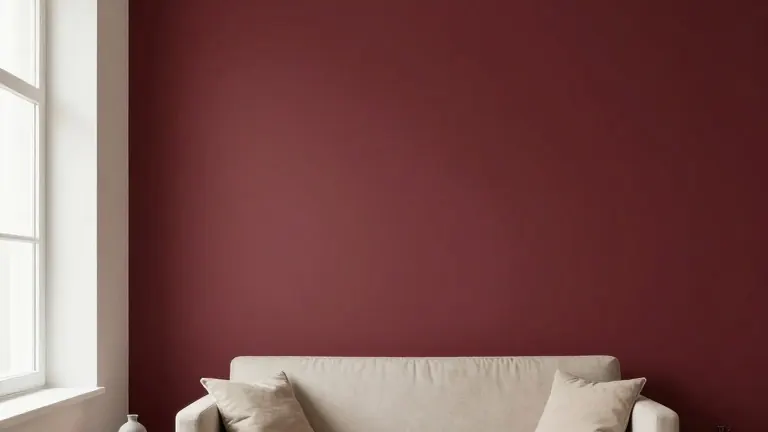
Resene reports a clear shift in interior design preferences. Homeowners are moving away from rustic, brick-toned reds and toward deeper, more saturated wine and berry shades. This change reflects a desire for colors with greater complexity and nuance.
Meryl Southey, a Resene color consultant, notes that reds have evolved from flat, one-note rusts to rich burgundies and plums. She says these deeper tones bring a specific kind of drama to a room. The shift is evident in the popularity of shades like Resene Rustic Red, Merlot, and Cab Sav.
Southey advises that the right shade depends heavily on natural light. Rooms with cooler, south-facing light suit warmer reds. Naturally warm rooms can handle cooler-toned reds without feeling overheated. She recommends testing large swatches on different walls at various times of day to see how the color interacts with the light.
Deep reds work best in quieter spaces such as bedrooms, dining rooms, and sitting rooms. They create a warm, cocooning effect. Designers often use a single feature wall to introduce the color without overwhelming the room. A door, piece of joinery, or piece of furniture painted in a deep wine shade can add visual weight.
For those ready to cover an entire room, Southey suggests using a guest bedroom, powder room, or media room. She recommends soft, muted shades like Resene Mulberry for full coverage. To keep the space feeling connected to the rest of the house, repeat the red on a small object like a stool or bookshelf. A two-tone checkerboard floor using a rich red and a soft white is another option.
Pairing wine reds with warm, soft neutrals prevents the space from feeling too formal. Southey suggests shades like Half Tea, Biscotti, and Double Merino. She warns that deep, saturated reds absorb light. In dim rooms, this can make a space feel dark and oppressive rather than cosy.
Two strategies address light absorption. First, use a tinted version of the color, such as Half Merlot, which reflects more light. Second, keep the full-strength color but limit it to a smaller area like a cabinet or feature wall. For enclosed spaces like a stand-alone guest toilet, Southey says embracing the darkness can be effective. Adding a mirror, glass light fitting, and white basin helps bounce light around walls painted in a deep shade like Cab Sav. A low-sheen finish enhances the richness of these colors, giving them a suede-like quality.
Source: The Star