Ford Files Patent for Moving Cars
A new filing describes a system that lets vehicles reposition themselves to block thieves from accessing tires or cargo.
By Mei Melnyk ·
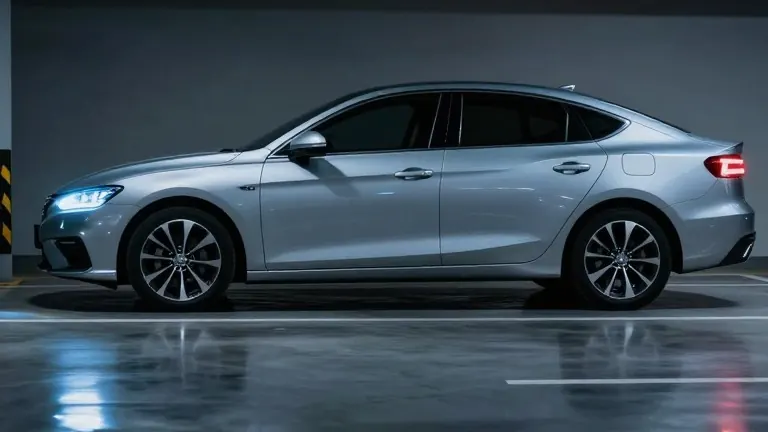
Car owners in the United States may see their vehicles move on their own if a patent filed by Ford moves forward. The proposal aims to prevent theft by making it harder for criminals to access specific parts of the car while it is parked.
Ford Global Technologies filed the application on April 11, 2025. The document, assigned number 19/176,471, was made public on October 15, 2026. The filing outlines a system that uses cameras and sensors to detect suspicious activity. If the system identifies a threat, it can alter the vehicle's position to protect its most exposed components.
The patent describes specific maneuvers for different types of theft. To protect tires, the car could move into a tight space between other vehicles or onto an uneven surface. This makes it difficult for a thief to reach the wheels. If the cargo is at risk, the system could push the rear of the vehicle against a wall to block access to the trunk. For cars with air suspension, the system could lower the ride height. This action would make it harder for thieves to reach undercarriage parts, such as the catalytic converter.
Drivers would control the system through a mobile app or the car's display. They could also use connected systems and artificial intelligence to receive data on high-theft zones. If the car cannot move itself safely, it would suggest a better parking spot to the driver. This approach reduces reliance on standard alarms or phone notifications.
The patent does not specify how the company will handle location data or define risk levels. Ford has not provided details on operating conditions. The document remains a request for intellectual property rights, not a final approval for production. The company has not confirmed which models will receive the technology or when it might become available to buyers.
Owners currently rely on established security measures. These include parking in well-lit areas, hiding valuable items from view, and protecting smart keys from signal cloning. The Ford proposal offers a more active form of defense. It seeks to interfere with theft attempts before they are completed, rather than alerting the owner after the fact.
Source: La Opinión