Cerus Blood Treatment Matches Standard Cells in Major Trial
Late-stage data shows the Intercept system preserves transfusion effectiveness without increasing adverse events.
By Mei Melnyk ·
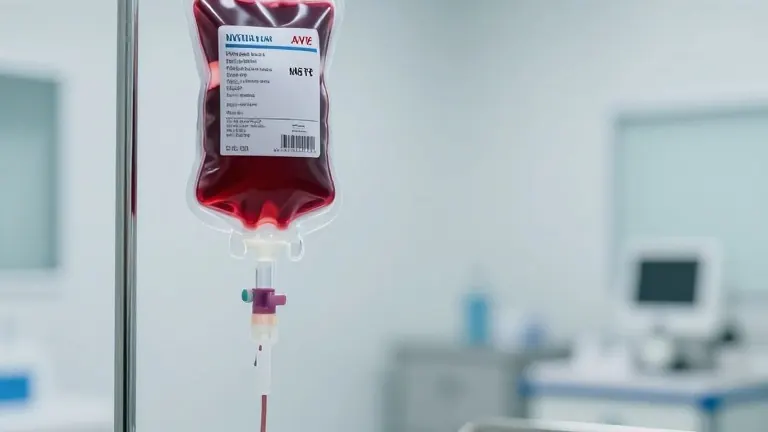
Cerus Corp announced on Monday that its blood-safety technology performed on par with standard medical protocols in a large clinical study. The late-stage trial confirmed that red blood cells processed through the Intercept system delivered the same therapeutic benefits as conventional units to patients in need of transfusions.
The study met its primary endpoint by demonstrating non-inferiority in adjusted hemoglobin increment, a key metric for transfusion success. Data showed no statistically significant difference in treatment-related adverse events between the two patient groups. This finding supports the safety profile of the pathogen-reduction process used on donated blood products.
A small subset of participants developed temporary antibodies specific to the Intercept treatment. Cerus noted that there was no evidence of hemolysis, which involves the destruction of red blood cells, and the clinical impact on these patients was not observed. The company stated that the US Food and Drug Administration has not yet reviewed the final study report.
The Intercept technology is designed to lower the risk of viruses, bacteria, and other pathogens in donated blood. Currently, the process remains experimental in the United States and lacks formal FDA approval. Cerus is preparing to submit the final data to the agency for regulatory review.
The trial results provide concrete evidence that the treatment does not compromise the efficacy of the blood. The company reported that the system functions as a safety layer for blood products without altering their core performance in clinical settings. This data serves as a foundation for the upcoming regulatory decision.
Source: KELO