Clocks turn back an hour on Sunday as daylight saving ends
Most Americans will gain an hour of sleep on Nov. 1, while the Sunshine Protection Act faces a deadline in the Senate before the new Congress convenes.
By Jason Wood ·
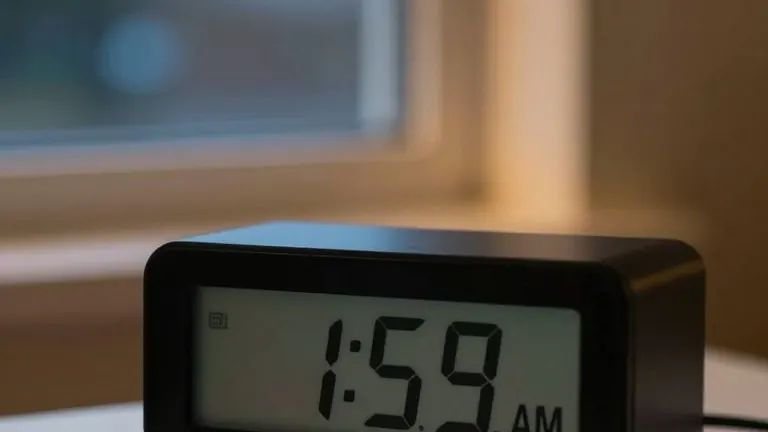
Most Americans will gain one hour of sleep on Sunday, Nov. 1, when clocks are set back at 2 a.m. local time. This marks the end of daylight saving time for 2026. The change gives people an extra hour in the evening on Saturday, Nov. 30, before the switch occurs.
The time change follows the rule established in 2007, which moved the end date from the last Sunday of October to the first Sunday of November. The National Weather Service notes that in Boston, sunrise will shift from 7:16 a.m. on Saturday to 6:17 a.m. on Sunday. Sunset will move from 5:39 p.m. to 4:37 p.m. The U.S. has operated on this schedule for nearly two decades.
Daylight saving time is currently set to begin again on March 14, 2027. That date is later than usual because March 2027 starts on a Monday. The practice itself began in 1918 during World War I to conserve fuel. Congress later allowed states to decide whether to participate, and a uniform national schedule was not established until 1966.
Legislation to make daylight saving time permanent is still pending in Congress. The Sunshine Protection Act cleared a major hurdle in the House earlier this year. The bill would require year-round daylight saving time but allow states to opt out entirely. President Trump supports the measure and has publicly urged supporters to contact Senator Tom Cotton of Arkansas, who has raised objections.
Senator Cotton stated that Congress has tried permanent daylight saving time before. He argued that the experiment ended when Americans experienced late winter sunrises. The Senate must act on the bill before the current session ends. Any bills not approved by early January will expire when the new Congress elected in Tuesday’s midterm election takes office.
If the legislation fails, the process will start over. The bill would need to pass both the House and the Senate again before reaching the president’s desk. For now, most states observe the time change. Arizona remains the primary exception, though the Navajo Nation within the state does switch clocks to align with New Mexico and Utah. American Samoa, Guam, the Northern Mariana Islands, Puerto Rico, and the U.S. Virgin Islands also do not observe the change.
Mobile phones and digital devices should update automatically if set to sync with time zones. Major manufacturers and carriers have posted instructions for users whose devices require manual adjustment. The next time change will occur on March 14, 2027, when clocks spring forward at 2 a.m.
Source: CBS News