WhatsApp group with 10.8 million members credited with Lula's comeback
Congressman André Janones led a digital offensive that shifted momentum in Brazil's presidential runoff despite initial polling disadvantages.
By Mei Melnyk ·
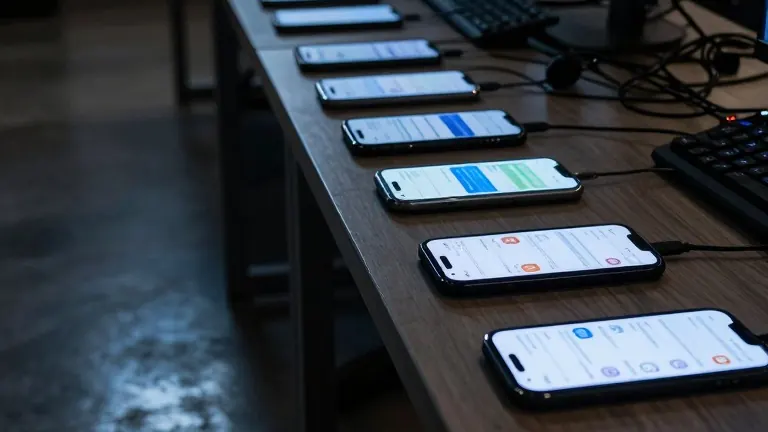
A WhatsApp channel that amassed 10.8 million followers helped President Luiz Inácio Lula da Silva reverse a deficit in Brazil's presidential election.
Allies of the left-wing leader attribute the turnaround in the race against right-wing challenger Flávio Bolsonaro to this digital mobilization effort. Lula had been trailing his opponent but secured a victory in the final three weeks of the campaign. The channel, known as Lula's Army, was created to organize supporters during a period when many observers doubted the incumbent could change the outcome.
Congressman André Janones led the operation. He instructed followers to share campaign videos, promote specific hashtags, and recruit new voters. For years, conservative groups aligned with former President Jair Bolsonaro held a perceived advantage in online political organization. The rapid growth of the Lula group changed that dynamic. It demonstrated that the left could compete effectively on platforms where digital campaigning has been central since the 2018 election.
The channel used ready-made templates to assign tasks to users. Janones urged his supporters to amplify new content and maintain high engagement levels. Instructions included phrases such as "Guys, urgent!" and "No food before the mission!" On the night before the vote, he hosted a 24-hour livestream called the turnaround livestream. This occurred while polls still favored Flávio Bolsonaro. Some members of Lula's Workers' Party worried that Janones's confrontational online style might conflict with the president's moderate image, but the strategy succeeded.
In his victory speech, Lula referred to Janones as our General. He thanked the congressman for raising the morale of their troops daily. However, political scientists note that measuring the direct electoral impact of such online efforts is difficult. They caution that it is impossible to calculate exactly how many votes were influenced by the WhatsApp operation alone.
Denilde Holzhacker, a political scientist, argues that the campaign's success relied on more than digital engagement. She says the Workers' Party linked online activities with grassroots mobilization. The campaign intensified local efforts and adjusted its messaging to connect a potential Bolsonaro victory with fears about changes to social programs. Holzhacker states that Lula recognized his weaknesses and changed his style, while Janones dominated social media in a way previously thought unlikely for Brazil's left. She also notes that Flávio Bolsonaro entered the runoff with too much confidence and failed to communicate his message as effectively.
Mayra Goulart, a sociologist at the Federal University of Rio de Janeiro, agrees that social media was only one factor. She describes the win as a combination of digital and street-level mobilization. In her view, physical organizing helped reduce abstention and persuade undecided voters. Goulart believes this collective effort served as a learning experience for the government, which faces upcoming challenges. She says the initiative converted a number of undecided voters and increased turnout.
Lula suggested in his victory speech that the lessons from this election will shape his future governance. He pledged to give people a greater say in decision-making. He stated that digital communication will play a much larger role in his administration going forward.
Source: BBC News