Arizona reports third US state hit by New World screwworm
A dog in Arizona tested positive for the parasite, bringing the total confirmed cases in the United States to 71.
By Joao Menon ·
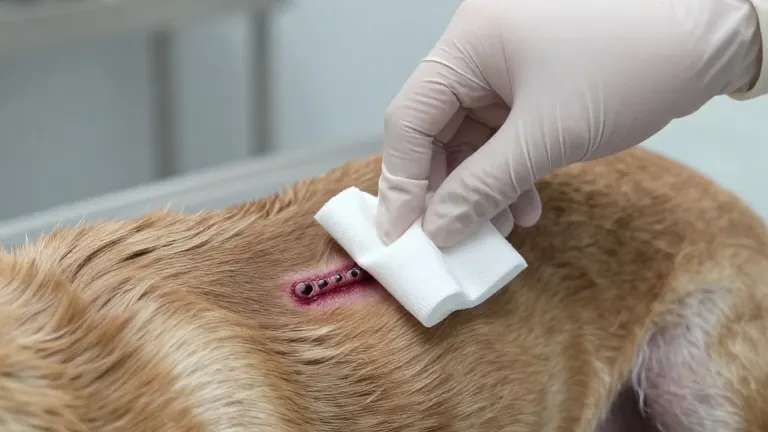
Arizona has become the third US state to report a case of New World screwworm, following detections in Texas and New Mexico. The Arizona Department of Agriculture confirmed the finding on a domestic dog. State officials said the discovery occurred during a veterinary examination on October 26. A veterinarian found a wound on the animal's back that was infested with larvae.
Ryan Wolker, the state veterinarian, addressed the news in a statement shared with The Hill. Wolker said the department has been preparing for this possibility for some time and is acting quickly. He noted that widespread outreach and surveillance efforts have helped producers and pet owners in Arizona know what symptoms to look for. According to Wolker, these measures ensure that suspected cases are reported promptly.
The United States Department of Agriculture (USDA) has verified a total of 71 cases of the parasite across three states. Of those confirmed instances, 18 remain active. The parasite, scientifically known as Cochliomyia hominivorax, is not a worm but the larval stage of a parasitic fly. Female flies lay eggs in open wounds or body openings such as the eyes, ears, nose, mouth, or genitals.
The larvae hatch within 12 to 24 hours. They then penetrate the tissue and burrow in a spiral motion, which enlarges the wound. This infestation is referred to as screwworm myiasis. If left untreated, the condition can cause severe pain, inflammation, and serious bacterial infections. In extreme cases, it can lead to the death of the animal or human affected.
The parasite typically targets warm-blooded animals. Common hosts include cattle, pigs, sheep, goats, horses, and birds. Wild fauna and pets such as dogs and cats are also susceptible. Human cases are rare but possible. The infection is not spread through contaminated food. The risk is associated with exposed wounds and direct contact with the fly.
Veterinarians and health officials recommend specific preventive measures. Owners should keep wounds clean, covered, and treated quickly. Animals with cuts, castration marks, or birth-related injuries require frequent checks. If larvae are seen in a wound, or if a strong odor, secretion, or increasing pain is present, immediate veterinary or medical attention is necessary.
Source: La Opinión